
 EN
EN
Sound Quality Should Lead the Decision
A wireless boombox is still a speaker first. No amount of connectivity features can fix thin bass, harsh treble, or a muffled midrange. When comparing models, the listening test matters more than the spec sheet. A boombox that sounds full and balanced at moderate volume will serve most users better than one that gets loud but falls apart tonally.
Driver size and enclosure design shape the sound. Larger drivers generally move more air and produce deeper bass, but the cabinet has to support that movement. A well-braced enclosure with proper porting delivers cleaner low end than a flimsy box with the same driver.
Pay attention to how the boombox handles different content. Music with strong vocals reveals midrange quality. Tracks with heavy bass show whether the low end stays controlled. A good wireless boombox should sound natural across several genres, not just one.
Battery Life Determines Real World Use
A boombox that dies after three hours limits where and how it gets used. Look for realistic battery figures that match the intended use case. A unit rated for twelve hours at moderate volume will usually deliver less when pushed hard, so leave some margin.
Charging convenience also matters. USB-C charging is now common and makes topping up easier. Some models include fast charging, which helps when the boombox is used outdoors and time is limited.
The table below compares battery related factors that affect everyday use.
| Battery Factor | Why It Matters | Practical Check |
|---|---|---|
| Rated playtime | Sets expectations for daily use | Look for 10 hours or more |
| Volume dependent drain | Higher volume shortens runtime | Check reviews for real figures |
| Charging port type | Affects cable convenience | USB-C preferred |
| Fast charging support | Reduces downtime | Useful for outdoor use |
| Removable battery | Allows future replacement | Rare but valuable |
Wireless Range and Bluetooth Stability Are Not the Same
Many buyers focus on the Bluetooth version number and ignore real world stability. A boombox can list Bluetooth 5.3 but still drop audio if the antenna design is poor or the environment has interference. What matters is whether the connection stays solid across the room or across a patio.
Range claims are usually measured in open air with no obstacles. Walls, furniture, and other wireless devices reduce that number quickly. A boombox that holds a stable connection at twenty feet through a wall is more useful than one that claims one hundred feet in ideal conditions.
Multi-device pairing is another practical feature. If the boombox will be shared among family members or used with different phones and tablets, smooth switching between paired devices saves time and frustration.
Durability and Portability Shape the Use Case
A boombox that never leaves the kitchen doesn't need heavy weatherproofing. One that goes to the beach, the campsite, or the job site does. Look for an IP rating that matches the intended environment. Splash resistance is enough for poolside use. Full dust and water protection matters for outdoor adventures.
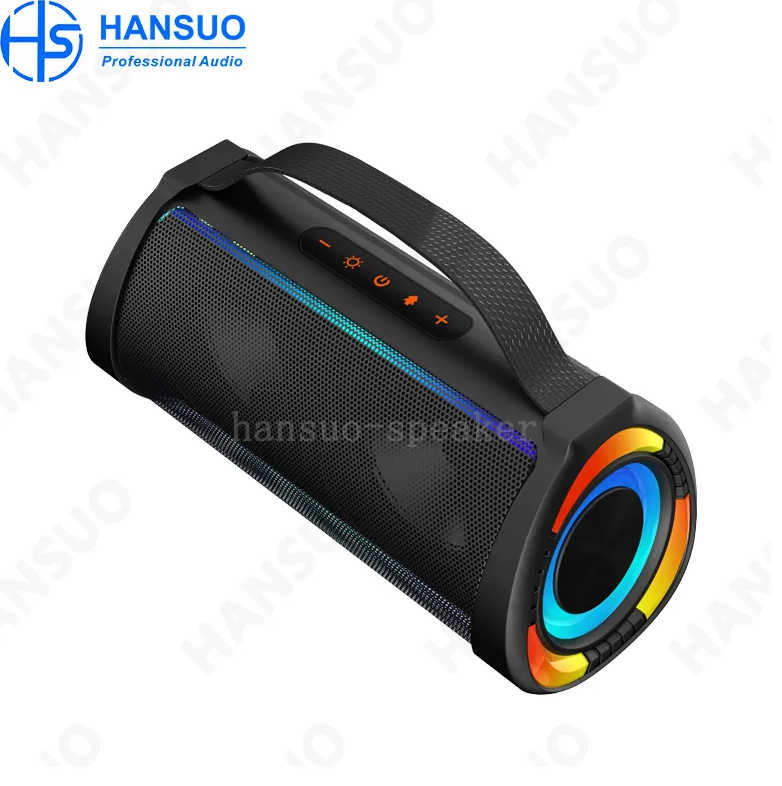
Weight and handle design also affect portability. A boombox with a solid handle and balanced weight distribution is easier to carry than one that's awkward to grip. If the unit will move frequently, those physical details matter more than they seem.
Rubberized edges and reinforced corners help with accidental bumps. A boombox that survives a short drop is more valuable for active users than one with a fragile finish.
Connectivity Options Add Flexibility
Bluetooth is the main connection method, but additional inputs make the boombox more versatile. An auxiliary input lets users connect older devices or wired sources. A USB port can play music from a flash drive or charge a phone in a pinch. Some models include FM radio, which still matters in areas with limited data coverage.
A microphone input turns the boombox into a small PA system, which is useful for outdoor events, classes, or gatherings. That feature adds real value for buyers who need more than music playback.
Consider what the boombox will actually be used for. A unit with the right mix of inputs avoids the need for adapters and workarounds later.
A Real Buying Experience Shows What Gets Overlooked
A buyer was choosing between two wireless boomboxes for backyard use. One had higher power output and a flashier design. The other had a lower power rating but better battery life and a more durable enclosure. The buyer chose the louder model and regretted it after a few weeks.
The boombox sounded impressive at first but drained its battery quickly during afternoon gatherings. The connection also dropped when the phone was taken inside the house. Eventually, the unit spent more time charging than playing.
The experience points to a common mistake. Buyers often prioritize peak output over the features that determine daily usability. A boombox that balances sound quality, battery life, and stable connectivity delivers more satisfaction over time.
What Audio Reviewers and Experts Emphasize
Audio publications consistently note that the best portable speakers are not necessarily the loudest. They value tonal balance, control at higher volumes, and battery performance that matches the marketing claims. A boombox that sounds clean at moderate levels often gets better long-term reviews than one that only impresses at maximum output.
Experts also point out that Bluetooth version alone doesn't guarantee good wireless performance. Antenna design, firmware quality, and codec support all play roles. A boombox that maintains a stable connection with standard codecs is often more practical than one that lists advanced codecs but suffers from dropouts.
Durability testing in reviews usually covers real world scenarios like splashes, drops, and dusty environments. Those results provide more useful guidance than marketing language.
Matching the Boombox to the Buyer's Lifestyle
The right wireless boombox depends on how and where it will be used. A kitchen unit needs clear sound and easy controls. A beach unit needs water resistance and a long battery. A garage unit needs durability and stable connection through walls.
List the primary use case before comparing models. That step prevents overpaying for features that won't be used and avoids buying a unit that falls short in the areas that matter.
Size is also worth considering. A larger boombox may produce better bass but becomes less portable. The best choice balances acoustic performance with the physical demands of the intended environment.
Why Hanso Focuses on Balanced Audio Design
A wireless boombox lives or dies by how well it balances sound quality, battery life, and everyday usability. That requires more than assembling parts. It demands attention to driver selection, enclosure design, wireless performance, and durable construction.
Hanso brings experience in audio product development to boombox design, with attention to the details that affect real user satisfaction. The company's focus on balanced sound and practical features shows in products built for actual listening environments. For buyers and brands looking for a boombox that performs consistently, that kind of engineering background makes a difference.
Table of Contents
- Sound Quality Should Lead the Decision
- Battery Life Determines Real World Use
- Wireless Range and Bluetooth Stability Are Not the Same
- Durability and Portability Shape the Use Case
- Connectivity Options Add Flexibility
- A Real Buying Experience Shows What Gets Overlooked
- What Audio Reviewers and Experts Emphasize
- Matching the Boombox to the Buyer's Lifestyle
- Why Hanso Focuses on Balanced Audio Design