
 EN
EN
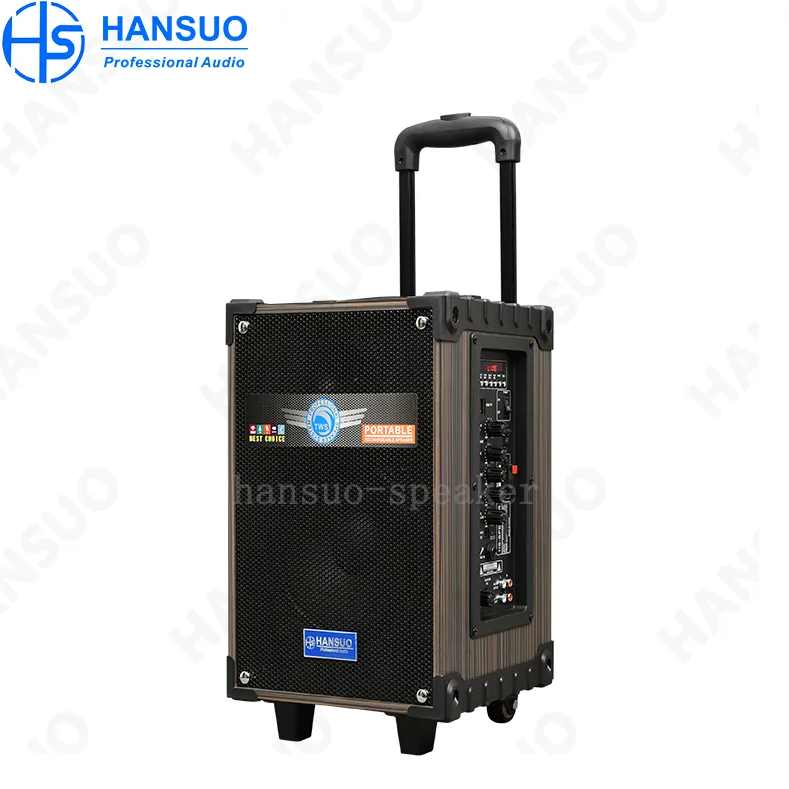
Placement Shapes the Sound More Than Most People Realize
A party box can sound completely different depending on where it sits. Placing it on the floor against a wall boosts the low end, which can help outdoors but may create a muddy sound indoors. Raising the speaker to ear level or placing it on a sturdy table gives the midrange and treble a clearer path to the listener.
Corners amplify bass even more. That can be useful in a large open space but overwhelming in a small room. The best approach is to test a few positions before the party starts. Move the speaker, listen to a track with strong bass and clear vocals, and adjust from there.
If the party box has multiple drivers or a tweeter, the vertical position matters. Keeping the high frequency driver closer to ear level improves clarity and detail. A speaker aimed at the knees never sounds as good as one aimed at the ears.
EQ Settings Are There for a Reason
Many party boxes include preset equalizer modes or adjustable bass and treble controls. Those settings exist because different rooms and music styles need different tonal balance. The flat setting that sounds accurate in a quiet living room may sound thin in a crowded outdoor space.
For outdoor parties, a slight boost in the low end helps compensate for the lack of walls to reinforce bass. For indoor gatherings, cutting excessive bass often cleans up the sound and makes vocals easier to understand. Small adjustments usually work better than extreme settings.
The table below shows common EQ adjustments and when they help.
| EQ Adjustment | When It Helps | What to Avoid |
|---|---|---|
| Slight bass boost | Outdoor open spaces | Too much creates muddiness |
| Bass cut | Small reflective rooms | Overcutting thins the sound |
| Treble boost | Crowded spaces | Harshness at high volume |
| Midrange boost | Vocal heavy music | Shouty or boxy sound |
| Flat setting | Accurate monitoring | May sound dull at parties |
Source Quality Limits the Final Result
The best party box can't fix a poor source. Low bitrate streaming files lose detail and can sound flat or harsh at higher volumes. Using high quality files or a streaming service set to maximum quality makes an audible difference, especially with bass heavy music.
Bluetooth codec choice also matters. Standard codecs are convenient, but higher quality codecs preserve more detail when the source device supports them. For critical listening, a wired auxiliary connection often provides the cleanest signal.
Volume on the source device should be set correctly. Running the phone at maximum volume and the speaker low often introduces distortion. A balanced setup with the source around seventy to eighty percent and the speaker doing the main work usually sounds cleaner.
Managing Bass Without Losing Impact
Bass is what makes a party box fun, but uncontrolled bass ruins the sound. When low frequencies overpower the mix, vocals become hard to hear and the music turns into a rumble. The goal is bass that hits hard but stays defined.
Placement helps here. A party box pulled away from walls and corners produces a tighter low end. If the speaker has a bass boost button, use it sparingly. A small boost adds energy. A full boost often creates boom instead of punch.
Some party boxes include a dedicated subwoofer or passive radiator. Those designs naturally produce more bass without the user pushing the EQ too hard. The result is deeper low end with less distortion.
A Real Party Setup Shows the Difference
A host was setting up a party box for a backyard gathering. The speaker was placed on the ground near a wall, and the bass boost was turned on full. The first few songs sounded impressive, but by the middle of the evening, the sound felt heavy and vocals were hard to follow.
The host raised the speaker onto a sturdy table and reduced the bass boost by about a third. The change was immediate. The music opened up, people could hear lyrics clearly, and the bass still carried enough weight for dancing. The speaker wasn't louder, but it sounded much better.
That experience is common. Small adjustments to placement and EQ often deliver more improvement than buying a bigger speaker.
What Audio Experts Recommend for Party Sound
Audio professionals often point out that perceived sound quality at parties depends on balanced frequency response and clean headroom. A speaker that runs near its maximum output distorts more easily. Leaving some headroom keeps the sound cleaner when the music gets dynamic.
Industry reviewers emphasize that party speakers should be set up for the space, not just turned to maximum. They recommend testing different placements and using EQ to compensate for room characteristics. A few minutes of tuning before guests arrive pays off for the entire event.
Durability also matters at parties. Spills, bumps, and outdoor conditions are common. A party box that can handle that environment while still sounding good provides better long-term value.
Matching the Setup to the Event Type
Different parties need different sound. A backyard barbecue with background music needs a different setup than a dance party with heavy bass. Matching the speaker settings to the event prevents the sound from feeling either weak or overwhelming.
For background music, a flatter setting with moderate volume works well. The music supports conversation instead of competing with it. For dancing, more bass and higher output make sense, but the sound should stay controlled.
If the party moves from day to night or from indoors to outdoors, the settings may need adjustment. Outdoor spaces absorb bass, while enclosed rooms reflect it. A quick sound check in each environment keeps the music right.
Why Hanso Builds Party Speakers for Real Use
Getting the best sound from a party box comes down to placement, EQ settings, source quality, and knowing the event. A well-designed speaker makes those adjustments easier by providing useful controls, balanced sound, and enough headroom to stay clean at party volume.
Hanso focuses on audio products that perform in real listening environments. The company's attention to driver design, amplifier matching, and practical controls shows in party speakers built to sound good without complicated setup. For hosts and brands that want reliable sound at every gathering, that kind of engineering makes a difference.
Table of Contents
- Placement Shapes the Sound More Than Most People Realize
- EQ Settings Are There for a Reason
- Source Quality Limits the Final Result
- Managing Bass Without Losing Impact
- A Real Party Setup Shows the Difference
- What Audio Experts Recommend for Party Sound
- Matching the Setup to the Event Type
- Why Hanso Builds Party Speakers for Real Use