
 EN
EN
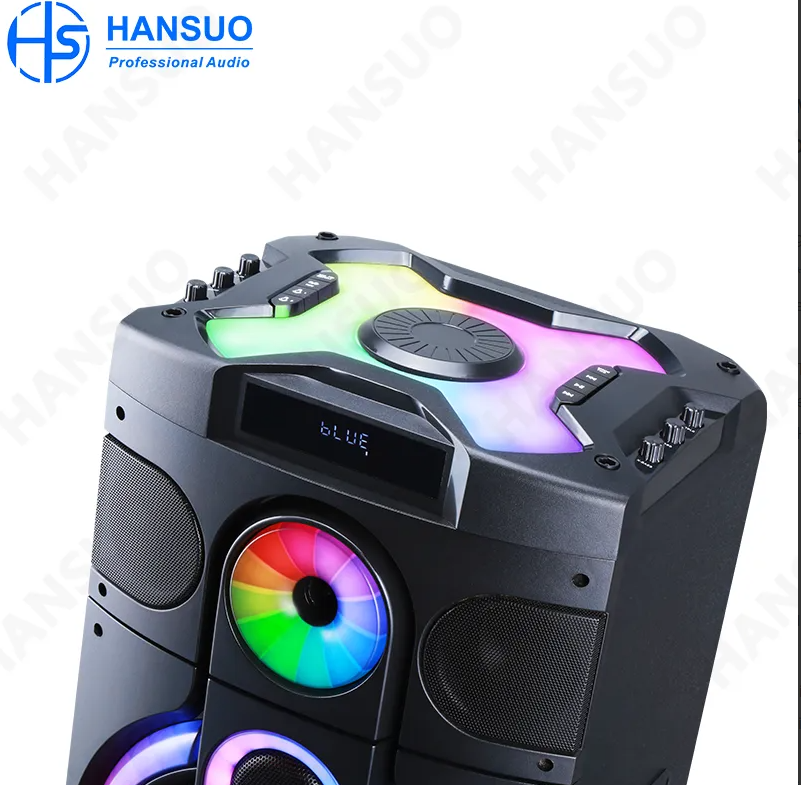
Low Frequency Output Defines the Experience
A home theater without a proper subwoofer misses half the emotional impact of film sound. Explosions, engine rumble, and musical bass lines all live in the low frequency range. A high-performance subwoofer reproduces those sounds with enough authority to make the room feel alive without distorting or bottoming out.
The key spec isn't just wattage. It's how cleanly the subwoofer produces deep bass at usable volume. A sub that claims huge power but sounds muddy at 40 Hz doesn't serve the home theater well. The best designs maintain low distortion while reaching down into the 20 to 30 Hz range, where most physical impact happens.
Driver size, enclosure design, and amplifier control all play roles. A well-engineered ten inch sub can outperform a poorly designed twelve inch model. The number on the spec sheet only tells part of the story.
Room Interaction Changes Everything
The same subwoofer can sound completely different in two rooms. Low frequencies bounce off walls, ceilings, and furniture, creating peaks and nulls. A subwoofer that sounds boomy in one corner may sound thin two meters away. That's why placement and room acoustics matter as much as the subwoofer itself.
High-performance subwoofers often include controls that help manage room interaction. Phase adjustment, variable crossover, and room gain compensation let the user tune the bass to the space. Some advanced models include room correction software that measures the response and adjusts automatically.
The table below shows how common room-related issues affect subwoofer performance.
| Room Issue | Effect on Bass | Practical Solution |
|---|---|---|
| Corner placement | Boosts low frequencies | Adjust phase or move slightly |
| Large open space | Reduces perceived bass | Increase gain or add second sub |
| Hard reflective surfaces | Creates uneven response | Add rugs or acoustic panels |
| Small sealed room | Causes boomy peaks | Use room gain compensation |
| Irregular room shape | Produces null zones | Experiment with placement |
Driver and Amplifier Matching Determines Control
A subwoofer is only as good as the partnership between its driver and amplifier. The amplifier needs enough headroom to control the driver at high excursion without clipping. The driver needs a stiff cone, a strong motor structure, and a suspension that stays linear under load.
When the amplifier runs out of power, the signal clips and the bass turns harsh. When the driver runs out of excursion, the sound becomes compressed and loses impact. High-performance designs match these components carefully so the system stays composed even during demanding movie scenes.
Sealed and ported enclosures offer different tradeoffs. Sealed cabinets tend to produce tighter, more accurate bass but need more power. Ported cabinets deliver more output per watt but can sound less controlled at the lowest frequencies. The right choice depends on room size and listening preferences.
Build Quality Protects Performance Over Time
Bass is physically demanding. The cabinet vibrates, the driver moves, and the amplifier runs hot during long sessions. A subwoofer built with a thin cabinet will rattle and color the sound. Loose internal wiring can vibrate against the enclosure and create noise.
High-performance subwoofers use braced cabinets with thick walls to reduce resonance. The driver is mounted securely, and the amplifier section has proper ventilation. These details don't show up in a photo, but they determine whether the subwoofer still sounds clean after months of heavy use.
Fit and finish also matter for a home theater. A subwoofer sits in a living space, so it needs to look as good as it sounds. Clean edges, quality veneers, and a finish that resists scratches all contribute to long-term satisfaction.
A Real Setup Shows How Integration Matters
A home theater enthusiast was upgrading a basement cinema with a mid-sized room. The first subwoofer was a high-powered ported model that produced plenty of output but sounded boomy during action scenes. Dialogue scenes felt fine, but explosions overwhelmed the room.
The owner switched to a sealed subwoofer with a lower power rating but better driver control. After adjusting the crossover and phase settings, the bass tightened up noticeably. The subwoofer disappeared into the system, which is exactly what a good sub should do. The impact was still there, but it was clean instead of muddy.
That experience highlights an important point. Integration with the main speakers and the room matters more than raw output. A subwoofer that blends smoothly creates a more convincing home theater experience than one that simply plays louder.
What Industry Specialists Emphasize
Audio engineers and home theater reviewers consistently point to controlled bass as a defining feature of good system performance. The goal isn't maximum volume. It's accurate reproduction that supports the film's soundtrack without calling attention to itself.
Publications that measure subwoofer performance often focus on distortion levels at specific frequencies, output capability, and extension depth. A subwoofer that maintains low distortion while producing deep bass is considered more valuable than one that simply posts a high peak number.
That perspective matches how listeners actually experience bass. Clean, deep output feels powerful and immersive. Loud but distorted output becomes fatiguing and unrealistic over time.
Matching the Subwoofer to the Room and System
No single subwoofer fits every home theater. A small room may not need extreme output, but it benefits from a sub that can be tuned to avoid boominess. A large open space may need dual subwoofers to even out the bass response across multiple seats.
The main speakers also matter. The crossover point between the subwoofer and the main speakers should create a smooth transition. If the main speakers roll off at 60 Hz, the subwoofer should take over cleanly at that point. Proper setup makes the entire system sound more coherent.
Buyers should think about the actual listening space and system layout before choosing. A high-performance subwoofer that's properly matched and tuned will outperform a more expensive model that's simply dropped into the room.
Why Hanso Focuses on Performance Driven Design
A high-performance subwoofer earns its place in a home theater by delivering clean, controlled bass that integrates with the room and the rest of the system. That requires careful driver selection, amplifier matching, and cabinet construction.
Hanso approaches subwoofer design with attention to the details that affect real listening performance. The company's background in audio product development shows in how drivers, enclosures, and controls are matched to produce bass that feels natural rather than overwhelming. For home theater builders and audio brands, that kind of engineering focus supports systems that sound right in actual living spaces.
Table of Contents
- Low Frequency Output Defines the Experience
- Room Interaction Changes Everything
- Driver and Amplifier Matching Determines Control
- Build Quality Protects Performance Over Time
- A Real Setup Shows How Integration Matters
- What Industry Specialists Emphasize
- Matching the Subwoofer to the Room and System
- Why Hanso Focuses on Performance Driven Design