
 EN
EN
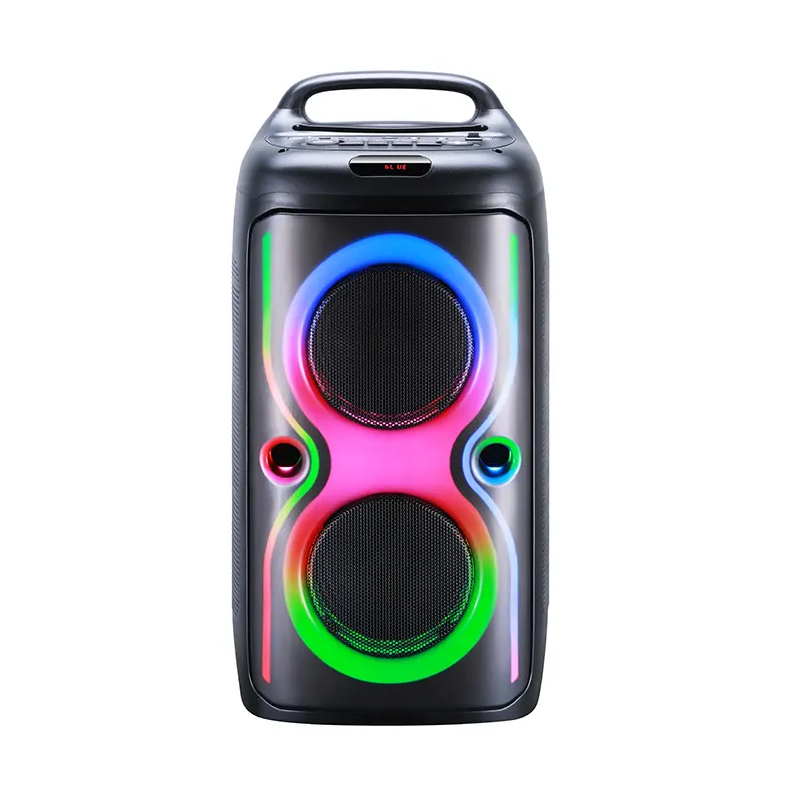
Why a Single Speaker Never Feels Like Enough
A few years ago, a friend asked me to help him fix his home audio. He had bought a nice soundbar for the living room, a smart speaker for the kitchen, and a little Bluetooth speaker for the bedroom. Each one worked fine on its own. But whenever he moved from room to room, the music stopped. He had to reconnect his phone, change the volume, and listen to the same song restart three times. That is when he asked me: “Isn’t there a way to just have the music follow me?” The answer is yes. But most people overcomplicate it. From helping friends set up their homes and testing dozens of systems over the years, I have learned that a multi room setup does not have to be expensive or technically painful. You just need a plan and the right gear.
Start With Your Wi-Fi, Not the Speakers
Before buying a single speaker, take a hard look at your home network. Multi room audio systems rely entirely on Wi-Fi, not Bluetooth. Bluetooth can only pair with one device at a time. Wi Fi lets you sync many speakers across different rooms. A friend once bought three expensive wireless speakers, only to discover his old router could not handle streaming to all of them at once. The music kept cutting out. He blamed the speakers. But the real problem was a weak signal in the back rooms. For a smooth multi room experience, place your router centrally. If your home is large or has thick walls, consider a mesh system. Also make sure your internet plan has enough bandwidth. Streaming high quality audio to four or five speakers at the same time takes about 10 to 15 megabits per second. That is not huge, but an overloaded network will cause dropouts. Get the network right first, and everything else becomes much easier.
Pick an Ecosystem and Stick With It
Here is where many people go wrong. They buy one brand for the living room, another for the kitchen, and then try to make them play together. That rarely works well. Each major brand has its own multi room technology. Some use proprietary protocols. Others rely on standard ones like AirPlay 2 or Google Cast. The simplest path is to pick one ecosystem and use the same brand or compatible products throughout your home. For example, if you already use iPhones and iPads, AirPlay 2 compatible speakers make a lot of sense. For Android users, Google Cast is a natural fit. There are also open systems like Wi Fi audio receivers that let you mix brands, but those require more technical setup. From personal experience, keeping it simple saves hours of frustration. A neighbor of mine bought four different brands because each was on sale. After two weekends of failed attempts to sync them, he returned everything and started over with a single brand. That is a costly lesson to avoid.
Where to Place Speakers for Seamless Sound
Speaker placement matters more than most people realize. In a multi room setup, you want sound to feel continuous as you walk from space to space. That means avoiding dead zones where music disappears. A good rule of thumb is to place speakers in doorways or on shared walls, not hidden in corners. In an open floor plan, two speakers in the same large room can work as a stereo pair. In separate closed rooms, one speaker per room is fine, but try to position it near the entrance so the sound carries into the hallway. I once helped a friend set up a three room system. We put one speaker in the living room near the kitchen doorway, another in the kitchen itself, and a third in the hallway. The result felt like background music followed you naturally. No abrupt cuts. No need to blast volume to hear the next room. Also avoid placing speakers inside cabinets or behind furniture. That muffles the sound and forces you to raise the volume, which then distorts the audio when you enter that room.
Sync or Group Speakers Without the Headache
Once you have the hardware and placement figured out, the next step is software setup. Most modern multi room systems let you group speakers through an app. The process usually takes less than five minutes. Open the app, select the speakers you want, and tap a “group” or “create zone” button. From then on, those speakers act as one. Play a song, and it comes out of all of them in perfect sync. There is a technical reason this works. Wi Fi based systems buffer a few seconds of audio to keep everything aligned. Bluetooth cannot do that. A sound engineer once explained to me that Wi Fi audio uses timestamps in the data packets, so each speaker knows exactly when to play each tiny piece of sound. That is why even speakers in different rooms stay perfectly together. If you want different music in different rooms, that is easy too. Most apps let you ungroup them with a single tap. Some advanced systems even allow you to send your TV audio to multiple rooms, which is great for watching a movie while moving between the kitchen and the living room.
Why Quality Manufacturing Matters for Multi Room Reliability
A multi room system is only as good as its weakest speaker. If one unit constantly drops off the network or has poor sound, the whole experience feels broken. During my years of testing audio gear, I have noticed that speakers from manufacturers with strong engineering backgrounds tend to have more stable network connections and better long term reliability. The components inside matter. Things like the Wi Fi antenna design, the processing chip, and the power supply affect how well a speaker holds a connection. A manufacturer that holds certifications like CE, RoHS, and BSCI has already passed rigorous testing for safety and performance. Hansuo, for instance, has over nine years of experience exporting multimedia and portable speakers to nearly 30 countries. That kind of global exposure forces a company to build products that work reliably in different environments, from humid Southeast Asia to hot Middle Eastern markets. For anyone building a multi room system, choosing speakers from a proven manufacturer means fewer headaches with dropped signals and distorted sound.
The Commercial Value of a Well Planned Multi Room Setup
Beyond home entertainment, a multi room audio system adds real value to daily life. Imagine starting a podcast in the bedroom while getting dressed, then continuing it seamlessly in the kitchen while making coffee, and then finishing it in the home office. That continuity changes how you consume audio content. It also increases the usable value of every speaker you own, because they are never sitting idle. Some homeowners even find that a professionally installed multi room system adds appeal when selling a property. While a simple wireless setup does not require professional installation, the underlying principle is the same: good audio everywhere creates a better living environment. For businesses like cafes or small hotels, a multi room system lets you play different music in different zones or the same background music throughout. That consistency improves customer experience. Manufacturers like Hansuo, which hold 26 patents and have passed ISO9001 and ISO45001 certifications, understand that reliability and sound quality directly impact the end user’s satisfaction. That is why their products are built to last, not just to look good on a shelf.
Table of Contents
- Why a Single Speaker Never Feels Like Enough
- Start With Your Wi-Fi, Not the Speakers
- Pick an Ecosystem and Stick With It
- Where to Place Speakers for Seamless Sound
- Sync or Group Speakers Without the Headache
- Why Quality Manufacturing Matters for Multi Room Reliability
- The Commercial Value of a Well Planned Multi Room Setup