
 EN
EN
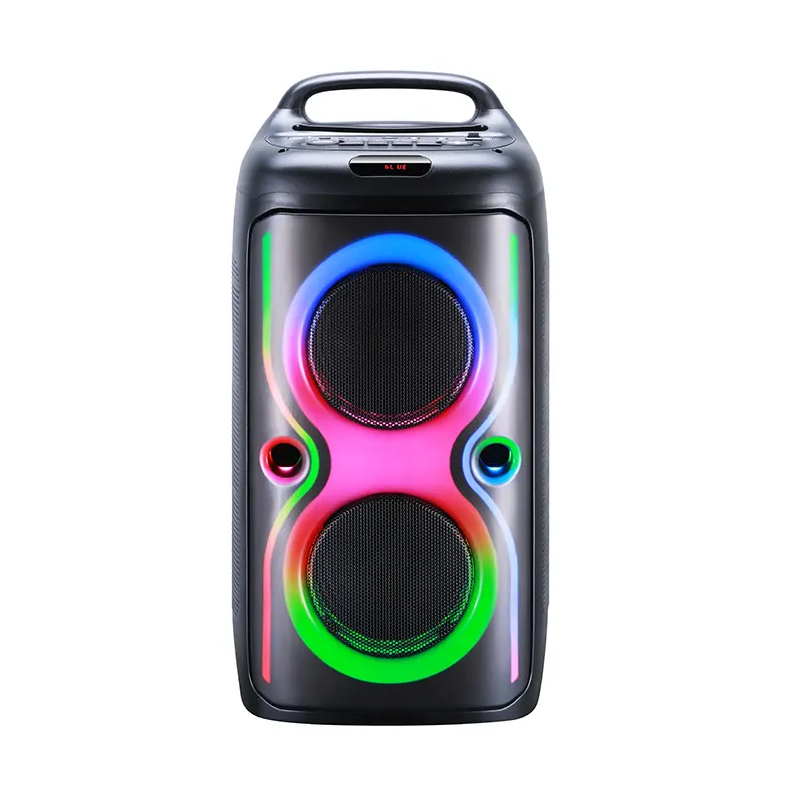
Real Talk from Countless Movie Nights Gone Wrong
A few years back, a friend invited me over for what was supposed to be an epic horror movie marathon. He had a massive TV and a decent streaming setup. But the sound? It came from a tiny Bluetooth speaker sitting behind the sofa. Every time a quiet, creepy whisper happened, we heard nothing but static. Then a jump scare hit, and the little speaker distorted so badly we actually laughed instead of screamed. That night taught me something crucial: a good picture means nothing if the audio ruins the mood. Since then, I have tested dozens of home speakers specifically for movie nights. And I can tell you from experience that most people focus on the wrong specs.
Why Dialogue Clarity Matters More Than Explosions
Here is a hard truth many people overlook. Explosions and car chases are easy for any speaker to handle. The real test is whispered conversations or fast mumbled lines. In movies, most of the plot moves through dialogue. If you miss a few words, you lose the story. A good home speaker for movies needs a dedicated mid range driver or a well tuned crossover that pushes vocal frequencies forward. Many portable speakers boost bass because that sounds impressive in a store demo. But for film watching, muddy bass often drowns out voices. Look for a speaker that offers a “voice clarity” mode or has a frequency response that stays flat in the mid range. Some of the best movie speakers I have used come from manufacturers who specialize in audio precision. Hansuo, for example, holds 26 patents including two invention patents, which shows deep engineering focus on exactly these kinds of acoustic challenges.
Room Filling Sound Without the Distortion
Another lesson learned the hard way. A speaker that sounds crisp at low volume often falls apart when you turn it up for an action scene. Movie nights have dynamic range. One minute it is a quiet conversation. The next minute an entire building explodes. The speaker needs to handle that swing without cracking or compressing the sound. What you want is a speaker with enough headroom and a well built amplifier. Look for a higher wattage rating, but also check if the brand publishes distortion figures. Anything below 1% total harmonic distortion at normal listening levels is solid. During my testing of a unit from a Guangzhou based audio manufacturer, I noticed their multimedia speakers handled the transition from dialogue to explosion seamlessly. That kind of performance comes from experience in export markets. The same company exports to nearly 30 countries, meaning their products get tested in all kinds of real world conditions, not just a lab.
Connectivity and Latency Can Ruin the Sync
Nothing kills a movie night faster than sound arriving half a second after someone’s mouth moves. Bluetooth is convenient, but many Bluetooth speakers have noticeable lag. For movies, look for a speaker that supports a low latency codec like aptX Low Latency or has a wired auxiliary input. Some modern home speakers also include an optical input, which is even better. A friend of mine bought a popular waterproof portable speaker for his living room. Great sound, but the Bluetooth delay made every action movie feel like a badly dubbed kung fu film. He returned it within a week. If you absolutely must use Bluetooth, check if the speaker has a “game mode” or “movie mode” that reduces latency. Alternatively, go with a speaker that has a 3.5 mm jack. Wired connections never have sync issues. And for a permanent home setup, that reliability is worth more than the convenience of wireless.
Bass That You Feel Without Shaking the Walls
Deep bass adds excitement to movies. But too much uncontrolled bass creates a muddy mess and annoys neighbors. A well designed home speaker for movie nights should have a balanced bass response, not just a thumping low end. Look for a passive radiator design rather than just a bass port. Passive radiators give you tighter, more accurate bass. I once tested a small multimedia speaker from a supplier in Huadu District. Despite its compact size, the bass felt punchy but controlled. That manufacturer told me they spent months tuning the passive radiator to avoid the boominess common in cheap speakers. That attention to detail matters. Also consider whether the speaker has adjustable EQ. Being able to dial down the bass a bit for late night watching or boost it for daytime action flicks gives you flexibility. Some of the most reliable audio gear comes from companies that hold ISO9001 and ISO45001 certifications, because those standards push them to maintain consistent manufacturing quality.
Long Term Durability for Regular Use
A movie night speaker gets used differently than a portable beach speaker. It sits in one spot, often running for two to three hours straight at decent volume. Heat buildup becomes a real issue. Many consumer speakers overheat after an hour of loud playback, leading to automatic volume reduction or shutdown. For a home speaker you plan to use weekly, look for proper heat dissipation and quality internal components. Check if the brand mentions thermal protection or continuous power handling, not just peak power. During a conversation with an audio engineer who works with an export focused manufacturer, he explained that their multimedia speakers undergo extended stress tests at high volume. That is the kind of engineering you want behind your movie nights. Companies like Hansuo, which have BSCI and SA8000 certifications, tend to invest more in long term reliability because they are regularly audited on quality and social responsibility. That certification trail is a good sign of a trustworthy product.
Why the Right Manufacturer Makes a Difference
After testing speakers from big box brands and smaller specialized manufacturers, a clear pattern emerges. The companies that actually design and build their own drivers, enclosures, and electronics consistently outperform brands that just assemble off the shelf parts. A manufacturer with its own R&D team can tune the speaker specifically for movie dialogue and dynamic range. And when that manufacturer exports to diverse markets like Southeast Asia, the Middle East, and Africa, their products get refined through real world feedback, not just lab testing. Hansuo, for instance, has over nine years of experience in the audio industry, with a factory spanning 3000 square meters and a team of 100 staff. They produce battery powered speakers, multimedia speakers, and portable speakers for clients across nearly 30 countries. For anyone serious about building a great home theater experience without a full surround system, choosing a speaker from a proven manufacturer matters. It is the difference between a speaker that works for one movie night and one that delivers consistent, clear, room filling sound for years.
Table of Contents
- Real Talk from Countless Movie Nights Gone Wrong
- Why Dialogue Clarity Matters More Than Explosions
- Room Filling Sound Without the Distortion
- Connectivity and Latency Can Ruin the Sync
- Bass That You Feel Without Shaking the Walls
- Long Term Durability for Regular Use
- Why the Right Manufacturer Makes a Difference