
 EN
EN
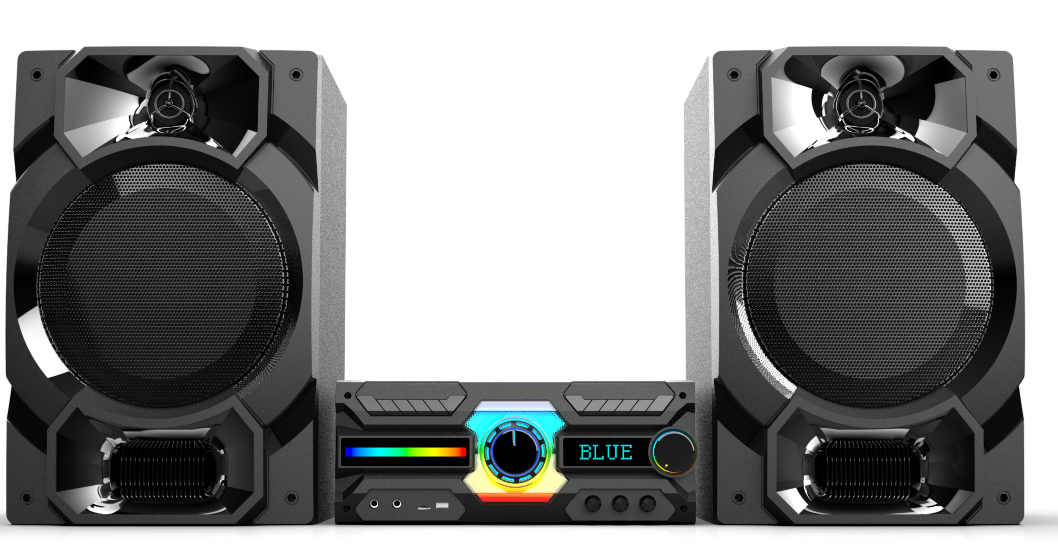
Start Smart: Prioritize Core Home Theater Components for Maximum Impact
Why Speakers and Receiver Dominate Sound Quality—Not Cables or Branded Aesthetics
The audio quality of a home theater system really comes down to two main things good speakers and a decent AV receiver. These pieces have way more impact on how clear the sound is, how dynamic it sounds, and whether it creates an immersive experience compared to fancy cables or brand names. Sure, expensive HDMI cables claim better signal transmission, but for most people setting up their living room systems, there's no real difference in the digital audio quality between cheap certified cables and the super expensive ones. And when it comes to speaker wires, looks don't matter much at all. A recent study from the Audio Engineering Society back in 2023 showed something interesting—89 percent of people couldn't tell the difference between budget options and top shelf speaker cables when they listened without seeing which was which.
Instead, allocate resources to:
- Speakers with accurate frequency response and matched timbre across channels
- Receivers delivering ≥80W per channel, built-in room correction (e.g., Audyssey MultEQ or Dirac), and native Dolby Atmos/DTS:X decoding
The receiver acts as your system’s neural center—processing audio formats, calibrating outputs, and powering speakers. Neglecting these core elements risks distortion and imbalance, regardless of cosmetic upgrades.
Entry-Level 5.1 Speaker Systems That Deliver True Surround Sound Under $500
Getting good surround sound doesn't have to cost an arm and a leg these days. For around 500 bucks or so, modern 5.1 setups come with five small satellite speakers plus a separate subwoofer that together make pretty decent sound coverage even in smaller rooms. When shopping around, look for systems made with matching wood materials because the center speaker handles most of what people actually hear during movies and shows. This middle speaker needs to blend well with the ones on either side so voices don't sound off or disconnected when watching TV or listening to music at home.
| Feature | Performance Impact | Budget-Friendly Tip |
|---|---|---|
| Subwoofer | Manages low-frequency effects (20–120 Hz) | Choose an 8–10" driver with ≥100W RMS power |
| Satellite Design | Enables directional audio precision | Front-ported cabinets simplify wall or stand placement |
| Sensitivity | Determines volume efficiency | Aim for ≥86 dB to ensure clean output with budget receivers |
Magnetic shielding in speakers helps prevent those annoying display interferences, while sealed or ported enclosures actually work better at reducing distortion than simply cranking up volume levels. The folks at Consumer Reports ran some tests back in 2023 and found something interesting: when placed correctly and set up with automatic calibration, basic 5.1 systems costing around $500 performed just as well as pricier $1,200 models when it came to how sounds fill the room and making sure dialogue stays clear. Want better surround sound immersion? Try angling your rear speakers about 110 degrees away from where most people sit watching movies. That's slightly wider than the usual 90 to 100 degree range recommended by manufacturers, but this extra spread creates a bigger audio space without breaking the bank on expensive gear.
Choose an Affordable AV Receiver That Powers Your Home Theater Future-Proofly
Top Budget AV Receivers Under $400 with Dolby Atmos, HDMI 2.1, and Room Correction
Budget AV receivers priced below $400 these days come packed with features that used to cost much more money just a few years back. We're talking about Dolby Atmos decoding, full HDMI 2.1 support capable of handling 8K at 120 frames per second, plus some pretty sophisticated room correction tech. For anyone into next generation gaming on consoles like the PlayStation 5 or Xbox Series X, these specs matter a lot when it comes to future proofing their setup. And let's not forget about streaming services either. The room correction stuff makes a real difference too. Take Audyssey MultEQ for example. Audio engineers ran tests last year and found that this kind of tech actually contributes around 70 percent to how much better people think the sound is in these midrange systems.
Prioritize models offering:
- HDMI 2.1 inputs with eARC for lossless audio return and future 8K compatibility
- Multi-subwoofer management, which smooths bass response across listening positions
- Built-in Wi-Fi and streaming services, including Spotify Connect and Apple AirPlay 2
- Expandable channel architecture, such as 7.1 pre-outs or firmware-upgradable processing for Atmos/DTS:X
Most budget receivers still max out around 80 watts per channel, but they now come packed with much better digital signal processing and DACs than ever before. Some models actually perform as well as those high end units costing over a thousand dollars back in 2019. The ones equipped with Dirac Live or Audyssey MultEQ technology performed really well in recent audio receiver testing during 2024. These systems cut down on frequency response issues by about 12 decibels according to measurements, which means listeners get better sound balance across the room and improved spatial imaging too. So while they won't break the bank, these receivers represent solid long term buys for anyone serious about home audio.
Optimize Audio Performance Without Spending More: Placement, Calibration & Acoustics
Free and Low-Cost Acoustic Fixes: Rugs, Curtains, and DIY Panels for Better Home Theater Sound
You can significantly elevate sound quality—without upgrading gear—by optimizing how sound behaves in your space. Begin with speaker placement: align tweeters at seated ear height, maintain equal distance from side walls, and angle front speakers inward (toe-in) so their sound converges at the primary listening position.
Simple, low-cost treatments yield outsized returns:
- Heavy area rugs over hardwood or tile absorb early floor reflections, reducing harshness in dialogue and midrange instruments
- Floor-to-ceiling curtains, especially over large windows, dampen high-frequency flutter and block external noise
- DIY corner bass traps—made from rigid fiberglass or mineral wool wrapped in acoustically transparent fabric—control low-frequency buildup where walls meet floors/ceilings
The mirror trick works wonders for finding those first reflection points. Just grab a friend and sit where you normally listen from while they move a mirror along the side and back walls until one of the speakers shows up in it. That's the spot needing treatment. Some studies show that tackling around 15 to maybe 20 percent of these reflective areas can boost speech clarity and make stereo sounds better by about 30% in most home setups. Don't go crazy with damping though. Keep some natural echo in there too since that helps maintain the feeling of actual space which is super important for getting that surround sound experience right. And remember to run the auto calibration feature on your receiver again whenever you make changes to the room. These correction systems need good measurements to work properly and give all the benefits they promise.
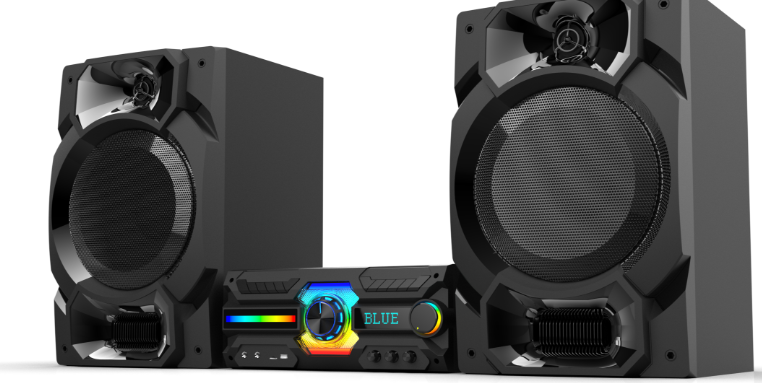
Soundbars vs. Traditional Systems: When a Compact Home Theater Solution Makes Sense
For folks who want good sound without all the hassle of setting up multiple speakers around the room, soundbars are becoming pretty popular these days. Traditional home theater systems need lots of different components spread throughout the living space, along with all those wires running everywhere. Soundbars fix this problem by putting everything inside one long box that just sits under the TV screen. No more fighting with tangled cables or trying to figure out where to put another speaker in the corner. The sound quality is way better than what comes built into most televisions too. People notice clearer voices when watching movies and shows, plus there's actually some decent low end rumble for action scenes without needing a separate subwoofer setup.
For users prioritizing plug-and-play simplicity and modest footprint, soundbars are practical and effective. But for those seeking authentic cinematic immersion—where sound moves around and above you—a traditional speaker-based system with a capable AV receiver remains the authoritative choice.
Table of Contents
- Start Smart: Prioritize Core Home Theater Components for Maximum Impact
- Choose an Affordable AV Receiver That Powers Your Home Theater Future-Proofly
- Optimize Audio Performance Without Spending More: Placement, Calibration & Acoustics
- Soundbars vs. Traditional Systems: When a Compact Home Theater Solution Makes Sense