
 EN
EN
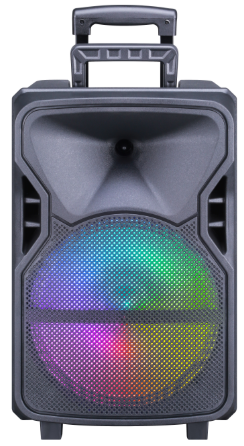
Understanding IP Ratings for True Waterproof Performance
Decoding IPX5, IPX6, and IPX7: What Each Means for Rain, Splashes, and Temporary Submersion
IP ratings (Ingress Protection) clarify waterproof capabilities beyond vague marketing terms. This standardized system uses two digits: the first indicates dust resistance (0–6), the second water protection (0–9). For outdoor speaker use, the second digit is most critical:
- IPX5 withstands low-pressure water jets—ideal for heavy rain or poolside splashes
- IPX6 resists powerful water jets—suited for kayaking or waterfall proximity
- IPX7 guarantees safe submersion up to 1 meter for 30 minutes—essential for accidental drops in lakes or rivers
Crucially, higher numbers don’t imply broader protection: an IPX7 speaker may fail under high-pressure spray where an IPX6 model excels. A Ponemon Institute study (2023) found that non-IPX7 devices submerged even briefly failed 74% faster than IPX7-certified units—highlighting why submersion rating matters for true outdoor resilience.
| Rating | Protection Level | Real-World Use |
|---|---|---|
| IPX5 | Low-pressure water jets | Rainy hikes, poolside splashes |
| IPX6 | High-pressure water jets | Kayaking, waterfall proximity |
| IPX7 | Temporary submersion | Accidental drops in lakes/rivers |
Why IP6X Dust Resistance Is Essential for Beach, Desert, and Trail Use
Dust ingress causes 68% of outdoor speaker failures in sandy environments (Ponemon 2023). While many focus only on water resistance, the first digit in the IP code is equally vital: IP6X denotes complete dust-tightness, preventing abrasive particles from compromising internal components. This level of protection safeguards against:
- Sand abrasion on coastal cliffs and beaches
- Silica-laden winds during desert treks
- Trail debris accumulation in mountainous terrain
Without IP6X, speaker grilles clog, drivers degrade, and circuitry corrodes—even with strong water resistance. That’s why dual-rated IP67 models deliver unmatched reliability: they endure both monsoon downpours and sandstorms without performance loss. For serious outdoor use, prioritize full IP6X certification—not just water ratings.
Battery Life, Portability, and Power Efficiency in Real Outdoor Conditions
How Temperature, Volume, and Terrain Affect Actual Runtime—Not Just Spec Sheet Numbers
The battery life numbers manufacturers tout often don't match what happens when we actually take gear outside. Cold weather is a big problem area for lithium ion packs. At freezing temperatures around 32 degrees Fahrenheit, these batteries start losing about 20% of their stored power. And things get worse when temps climb past 95 degrees because the internal resistance goes way up, draining charge much faster than expected. Then there's the matter of volume settings. Cranking music to maximum basically cuts runtime in half compared to just running at moderate levels around 60%. What kind of terrain someone hikes on makes all the difference too. Those mountain treks mean batteries have to push harder against thinner air, while hot desert conditions cause devices to automatically slow down to prevent overheating. Even the constant shaking from rocky trails adds wear and tear, eating away at battery life by somewhere between 15 to 30 percent. Most lab tests happen under controlled conditions at normal room temps, but throw in all these real world factors and people typically find their portable speakers last only 40 to 60% as long as advertised.
Prioritize models with thermal-regulated batteries and adaptive power modes that respond intelligently to environmental stressors—not just headline watt-hours.
Outdoor Sound Clarity: Dispersion, Bass Response, and Environmental Adaptation
Why 360° Audio and Wind-Resistant Driver Design Matter More Than Wattage Alone
The real test of a waterproof speaker during outdoor adventures has nothing much to do with how many watts it claims on the box. Outdoors is tricky business because wind blows everywhere, terrain messes with sound waves, and there's always background noise somewhere. Just cranking up the power won't fix these problems unless the speaker was actually designed for them. That's where those 360 degree dispersion systems come in handy. They spread the music all around so nobody gets left out at the campfire or standing near the lake. And let's not forget about those wind resistant drivers either. These have stronger parts inside and better sealed cases that stop loud gusts from messing up the middle frequencies. Some tests show that without this protection, the quality drops by about 30% when exposed to strong winds.
Outdoor sound behaves differently from what we hear inside buildings. The lower tones get swallowed up while higher pitches become sharper and more annoying, which is why those directional speakers usually don't work well outside, leaving some areas louder than others. Recent tests done last year showed something interesting about these all-around speakers with special parts to handle wind. They performed about two and a half times better when it comes to clear audio compared to regular models when there was a steady 10 mile per hour breeze blowing. Instead of just looking at how powerful a speaker is, focus on designs that can adjust themselves for changing conditions if the music needs to stay good quality despite whatever weather happens to be around.
Rugged Build Quality: Drop Resistance, Material Integrity, and Long-Term Altavoz Durability
What makes outdoor gear truly resilient comes down to how manufacturers engineer their materials and build them. High quality speakers often feature toughened plastic blends or aluminum similar to what's used in airplanes these days. Tests show these materials can take quite a beating after being dropped from around 1.5 meters without showing damage, plus they stand up well against things like salt water corrosion, sun damage, and getting wet. The dense composition keeps everything holding together when budget models tend to bend or break apart when stressed.
The build quality matters just as much. Rubber shock mounts inside take care of those directional hits, and the seamless unibody construction means no weak spots where seams would normally be. The corners are reinforced and the grilles are thicker too, which helps keep out all that trail dirt and protects against random bumps and scrapes. All this careful engineering really pays off in terms of how long these things last. Field testing has shown that the rugged models can keep working perfectly even after spending over 500 hours in harsh conditions like desert dust storms, humid beaches, and extreme mountain temperatures. Regular speakers on the other hand tend to give up the ghost somewhere around the 200 hour mark under similar conditions.
Durability here means more than just making it through one trip out there. We're talking about gear that keeps producing clear sound year after year without losing quality. Look at ruggedness differently. Don't just take marketing hype at face value. Check for actual drop test certifications instead. Pay close attention to those small but important areas where water might get in. The little things matter most when it comes to keeping electronics safe from damage during unexpected rain showers or crossing streams. Those tiny seals around buttons and covers are what really protect against moisture getting into the inner workings of the device.
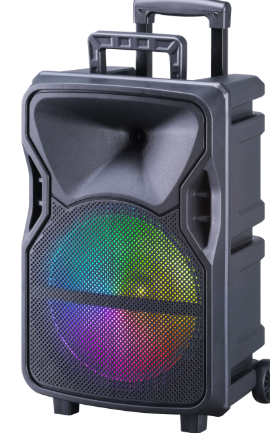
Reliable Bluetooth Connectivity for Open-Air and Obstructed Environments
Bluetooth 5.3, Adaptive Coding, and Real-World Range Through Trees, Hills, and Crowds
Bluetooth 5.3 significantly enhances outdoor speaker performance with adaptive frequency hopping that minimizes interference from Wi-Fi routers and competing signals in crowded spaces like festivals. Its LE Audio protocol dynamically adjusts bitrate to maintain stable connections when obstructions like dense trees or hills disrupt line-of-sight transmission.
Real-world range claims often overpromise—while open-field testing may show 100-meter coverage, physical barriers reduce effective distance by 40–70%. Concrete walls attenuate signals by ~20 dB, while human bodies can absorb 3–8 dB. For consistent performance:
- Elevate speakers above waist level to reduce ground interference
- Avoid placing devices near metallic objects or thick vegetation
- Prioritize models with directional antenna arrays
Bluetooth 5.3’s forward error correction compensates for packet loss in windy conditions, ensuring audio continuity where older versions would stutter. This resilience makes it essential for adventurers crossing variable terrain.
Table of Contents
- Understanding IP Ratings for True Waterproof Performance
- Battery Life, Portability, and Power Efficiency in Real Outdoor Conditions
- Outdoor Sound Clarity: Dispersion, Bass Response, and Environmental Adaptation
- Rugged Build Quality: Drop Resistance, Material Integrity, and Long-Term Altavoz Durability
- Reliable Bluetooth Connectivity for Open-Air and Obstructed Environments