
 EN
EN
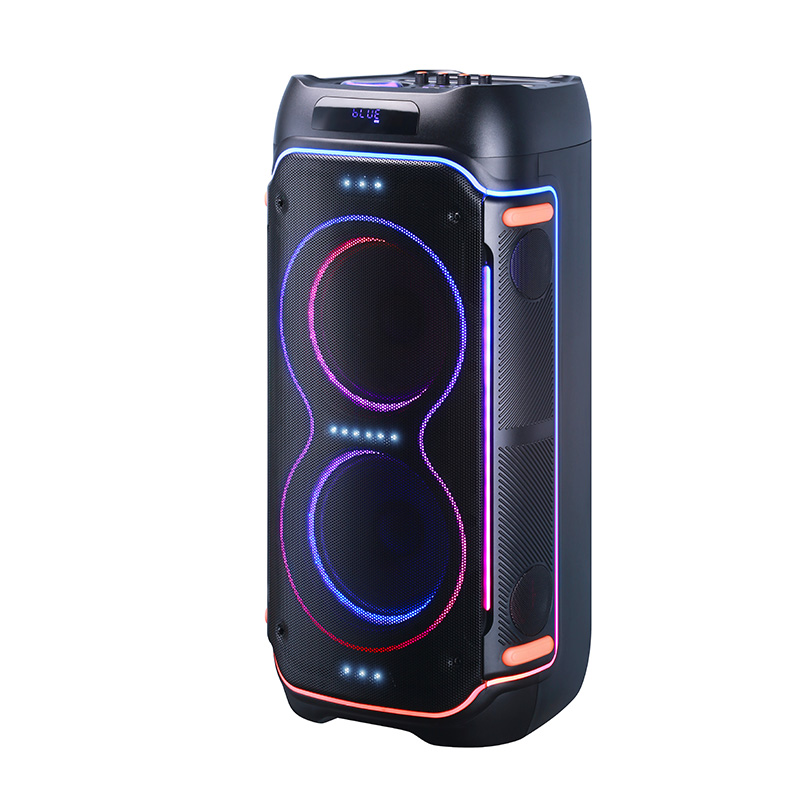
Portability and Battery Life for True Outdoor Flexibility
Weight, Dimensions, and Ergonomic Design for Easy Transport
For outdoor karaoke, portability begins with physical handling. Prioritize all-in-one systems under 15 pounds with integrated handles or telescoping carts—compact enough to fit in a car trunk or carry short distances without strain. Ergonomic design is key: balanced weight distribution and rounded edges reduce fatigue during transport. Wheeled cases or backpack-style straps further enhance mobility. Avoid setups requiring separate power stations; true portability means self-contained operation. An IPX4 rating (or higher) adds essential splash resistance for unpredictable weather—ensuring seamless movement from garage to park.
Real-World Battery Runtime vs. Advertised Capacity Under Load
Manufacturer battery claims are typically measured at low volume with no microphones active—a best-case scenario far removed from real-world karaoke use. At party volumes—with mics, lighting, and audio processing engaged—a system advertised for 10 hours may deliver only 4–6 hours of continuous playback. Lithium-ion batteries with high watt-hour (Wh) ratings offer the most reliable sustained output. Some models support external power banks for extended runtime, while built-in battery saver modes intelligently throttle non-essential features like LED effects. Always verify performance at moderate volume before committing to an all-day event—consistent power is what keeps the party going.
Outdoor Sound Performance: Power, Clarity, and Environmental Resilience
Minimum RMS Wattage and SPL Requirements for Open-Air Karaoke
Outdoor environments demand significantly more acoustic headroom than indoor spaces. Ambient noise—from wind, traffic, or nearby activity—competes directly with vocals and music. To cut through, prioritize systems delivering at least 100 watts RMS per channel. Unlike peak or PMPO ratings, RMS reflects sustained power output, ensuring clean, distortion-free sound even when pushed. Equally important is Sound Pressure Level (SPL): aim for speakers rated at 95 dB SPL at 1 meter. This translates to 85–90 dB SPL at typical listener distances—the minimum threshold for vocal intelligibility outdoors. Underpowered systems often distort when overdriven to compensate for open-air acoustics, degrading both lyric clarity and musical fidelity.
Directional Speaker Engineering and Wind-Resistant Bass Response
Speaker dispersion and bass port design directly impact outdoor performance. Narrow horizontal dispersion (around 90°) focuses sound energy toward your audience rather than scattering it into open space—reducing volume loss over distance and minimizing microphone feedback. For bass, front-firing ports are critical: rear-ported enclosures allow wind to enter and disrupt airflow, causing “chuffing” distortion on low notes. Advanced designs incorporate aerodynamic port geometries or integrated wind filters to maintain tight, clean low-frequency response—even in breezy conditions. These engineering choices ensure vocal presence and rhythmic foundation remain intact, regardless of environment.
Sunlight-Ready Visuals: Display Brightness and Readability Outdoors
Projector Lumens, ALR Screen Compatibility, and Anti-Glare Interfaces
Outdoor karaoke hinges on legible lyrics—and sunlight is the biggest obstacle. For daytime use, a projector must deliver at least 3,000 ANSI lumens; 5,000+ is recommended for larger groups or brighter conditions. But raw brightness alone isn’t sufficient. Pair it with an ambient light rejecting (ALR) screen, which reflects projected light toward viewers while rejecting overhead sunlight—dramatically improving contrast and color accuracy. Add anti-glare surface coatings to further suppress reflections that wash out text. Together, this combination ensures crisp, readable lyrics even under direct sun. Without it, guests strain to follow along, undermining the core karaoke experience.
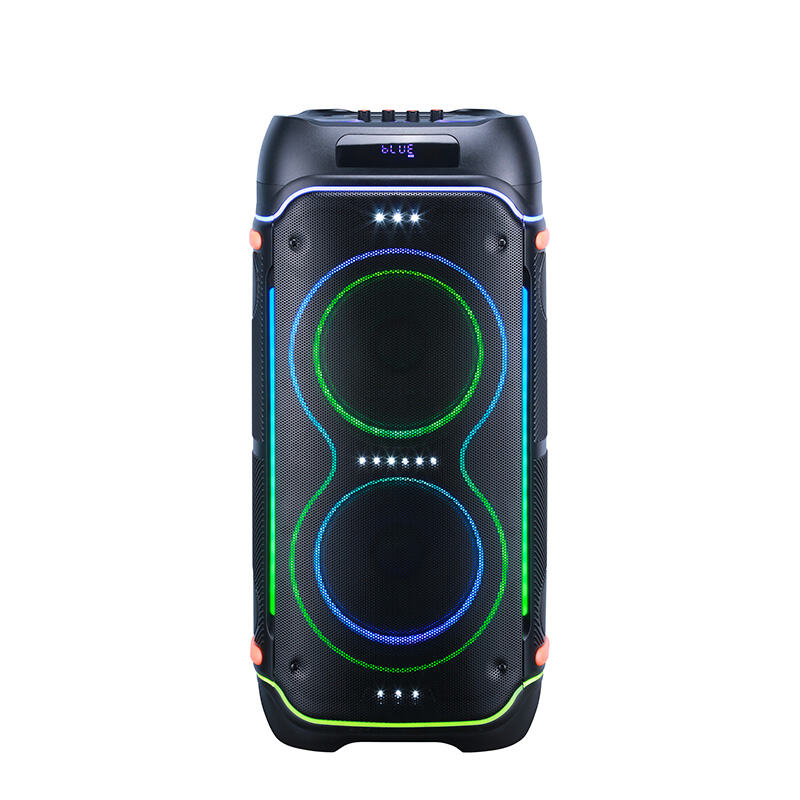
Reliable Wireless Microphone Connectivity for Seamless Karaoke
UHF vs. 2.4GHz: Interference Resistance and Range in Outdoor Spaces
Wireless mic reliability makes or breaks outdoor karaoke. UHF (Ultra High Frequency) systems are the clear choice: they operate on dedicated, less-crowded frequency bands, offering superior interference resistance in real-world RF environments—including neighborhoods saturated with Wi-Fi, Bluetooth, and smart devices. UHF typically delivers stable, full-range coverage beyond 100 feet—even with minor obstructions—making it ideal for backyard parties or open lawns. In contrast, 2.4GHz systems contend with widespread congestion from routers, phones, and appliances, leading to audible dropouts mid-performance. UHF’s robust signal penetration and proven resilience ensure consistent, professional-grade vocal transmission—so singers stay confident, and the music never skips a beat.