
 EN
EN
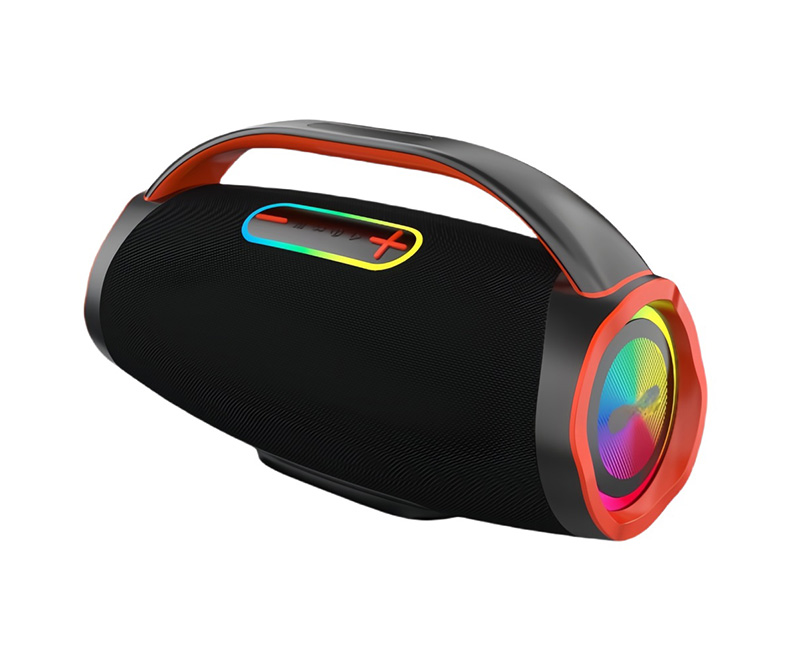
A bocina, often called a loudspeaker or horn speaker, is a critical tool for business communication. It converts electrical signals into sound waves. In warehouses, factories, offices, and retail spaces, a high quality bocina ensures that announcements, alerts, and instructions are heard clearly. Poor audio quality leads to mistakes, safety risks, and low productivity. This guide will help you select the right bocina for crystal clear sound.
Understand the Core Technical Parameters
The first step is to understand power, impedance, and frequency response. Power is measured in RMS watts. For most commercial spaces like offices or small warehouses, a bocina with 30 to 100 watts RMS is sufficient. For larger industrial areas, you may need 150 watts or more. Impedance must match your amplifier. Common values are 4, 8, or 16 ohms. If impedance mismatches, your amplifier can overheat or the sound becomes weak. Frequency response determines which tones the bocina can reproduce. For voice announcements, a range of 100 Hz to 12 kHz is enough. For music or full range audio, look for 60 Hz to 20 kHz.
Choose the Right Type for Your Environment
Bocinas come in different designs. Ceiling mounted bocinas are ideal for offices, meeting rooms, and retail stores. They sit flush with the ceiling and save space. Wall mounted surface bocinas work well in corridors and open plan areas. For outdoor or industrial settings, you need weatherproof models. These have an IP rating. IP65 protects against dust and low pressure water jets. IP67 allows full immersion for short periods. Also consider horn loaded bocinas. They project sound over long distances, perfect for airports, train stations, or large warehouses. Select the type based on where you will install the device and how much area you need to cover.
Verify Durability and Certifications
A high quality bocina should last for years. Look for housing made of polycarbonate, ABS, or aluminum. These materials resist impacts, corrosion, and UV light. Certifications matter. CE marking shows compliance with European safety standards. UL listing is important for North America. For industrial sites with explosive dust or gas, ATEX or IECEx certification is mandatory. Without these, you risk equipment failure or legal violations. Also check the operating temperature range. Many professional bocinas work from 20 degrees Celsius below zero up to 55 degrees Celsius above zero. This ensures reliable performance in hot warehouses or cold outdoor loading docks.
Test Sound Clarity and Coverage
Technical specs are not enough. You should test a sample bocina in your actual environment. Play a voice recording and listen for distortion at high volume. Walk around the coverage area. The sound should remain clear and even, not loud in some spots and faint in others. Pay attention to echo or reverberation. Hard surfaces like concrete walls and floors cause reflections. In such spaces, choose a bocina with narrower dispersion angle. This focuses sound and reduces echo. For rooms with carpets and soft furnishings, wider dispersion is fine. Remember that crystal clear audio means every word is understandable, not just loud.
Ensure Compatibility with Your Existing System
Your new bocina must work with your amplifier, mixer, and network. Check the impedance again. If you connect multiple bocinas to one amplifier, calculate total impedance. For example, two 8 ohm bocinas in parallel become 4 ohms. Most amplifiers work with 4 to 16 ohms. For IP audio systems, verify protocol support. SIP and Dante are common standards. They allow audio to travel over computer networks. Also confirm that the bocina has proper mounting brackets or hardware included. Missing brackets increase installation time and cost. Choose a model with spring terminals or screw terminals for easy wiring.
Plan for Maintenance and Spare Parts
Even the best bocina can fail after years of use. Ask the supplier about spare parts availability. Common parts include drivers, terminal blocks, and mounting brackets. A good supplier offers a warranty of at least two years. Some professional brands provide five years. Keep a record of the model and serial number. Also buy one or two extra units for quick replacement. This minimizes downtime. For large installations, create a maintenance schedule. Clean the grille and housing every six months. In dusty environments, check the driver for debris. Regular care keeps the audio crystal clear.
Compare Price Against Value Not Just Cost
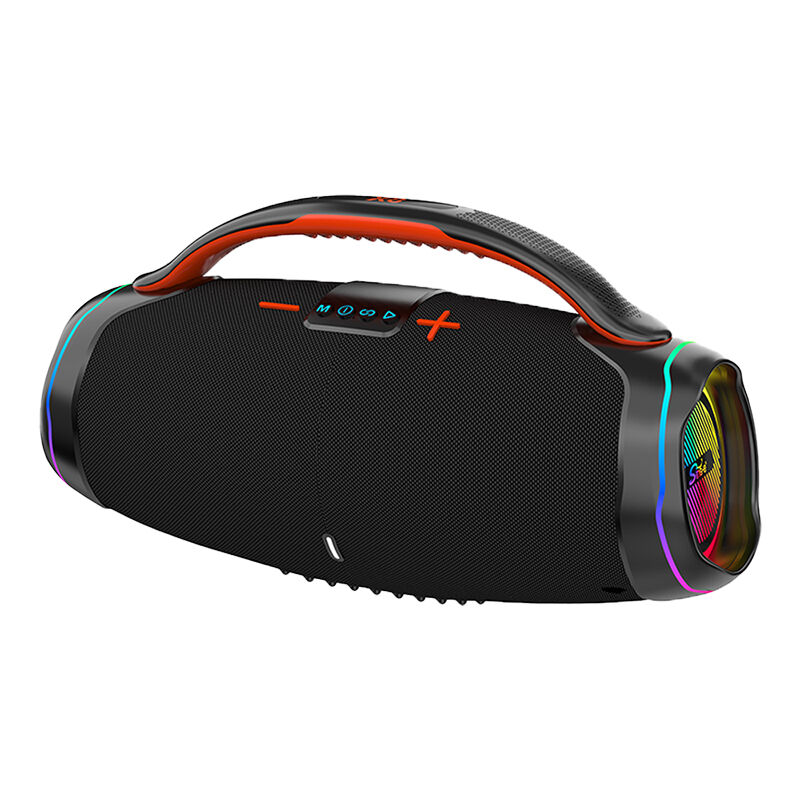
Low price often means low quality. A very cheap bocina may use thin plastic and small magnets. It will distort at medium volume and fail within a year. On the other hand, the most expensive model might be overkill for your needs. Calculate the total cost of ownership. Factor in installation, maintenance, and replacement. A mid range professional bocina that lasts five years is better than a cheap one that lasts one year and disrupts your operations. Look for proven brands with positive reviews from other business users. Request a demonstration before buying in bulk.
Make the Final Decision with Confidence
After following all the steps above, you are ready to choose. List two or three candidate models. Compare their specifications, test results, and prices. If possible, speak to an audio system integrator. They can simulate sound coverage using software. Finally, order a small batch first. Install them in a representative zone. Listen for a few days. If the audio is crystal clear and reliable, then order the rest. A well chosen bocina improves safety, efficiency, and employee satisfaction.
Table of Contents
- Understand the Core Technical Parameters
- Choose the Right Type for Your Environment
- Verify Durability and Certifications
- Test Sound Clarity and Coverage
- Ensure Compatibility with Your Existing System
- Plan for Maintenance and Spare Parts
- Compare Price Against Value Not Just Cost
- Make the Final Decision with Confidence