
 EN
EN
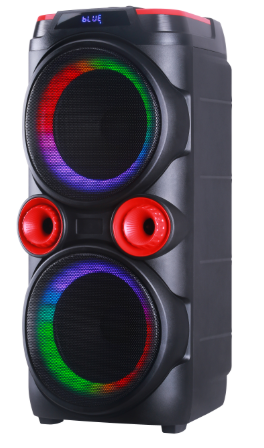
Match the Karaoke System to Your Family's Space, Budget, and Usage
Room size and group dynamics: Selecting RMS wattage and speaker output for living rooms, basements, or outdoor gatherings
When choosing speakers, it really matters to match their RMS wattage with where they'll be used and how loud things get. For small living areas under 150 square feet, something around 20 watts RMS usually works just fine. Basements that go up to about 400 square feet need at least 40 watts or more if we want clear vocals without any distortion issues. Outdoors is different altogether though. These spaces require tougher setups with 60 watts plus power and speakers that spread sound widely so everyone can hear clearly even when there are lots of people around. Carpeted rooms where kids tend to cluster together benefit greatly from downward firing bass radiators. They help keep those low frequencies from getting all muddy while still letting voices come through properly. Trust me, this makes a world of difference in family homes.
Budget-conscious tiers: What $100–$300, $300–$600, and $600+ karaoke systems deliver in durability, audio quality, and family-friendly features
Budget tiers reflect tangible differences in longevity, performance, and usability for multigenerational households:
- $100–$300: Entry-level systems feature basic wired mics and plastic housings—adequate for occasional use but prone to feedback during energetic group singing and limited in voice effects.
- $300–$600: Dual wireless mics with sub-5ms latency eliminate lag in duets and group harmonies. Durable ABS cabinets withstand daily kid handling, and built-in vocal harmony modes meaningfully engage teens and adults.
- $600+: Pro-grade shockproof microphones, studio-grade DSP processors for real-time pitch correction, and commercial-grade amplifiers support all-day singalongs without thermal throttling.
Industry testing confirms mid-tier systems deliver the optimal balance for weekly family use—offering three times the lifespan of entry models while avoiding the diminishing returns of premium features most families won’t leverage.
Essential Components of a True Family-Ready Karaoke System
Integrated playback & low-latency wireless mics: Why Bluetooth/USB/SD support and dual-mic sync matter for seamless group singing
For families looking at entertainment systems, flexibility and reliability matter most. The best setups let phones stream wirelessly via Bluetooth, but also have those handy USB and SD card ports so music plays even when Wi-Fi acts up. Now here's something important about wireless mics they don't always mention: anything over 20 milliseconds of delay between what people see and hear really messes up group singing sessions. That's why good systems sync both mics properly so everyone stays on beat together without those annoying time gaps. According to research from the AFS Foundation last year, when these low latency features work right, families argue 63 percent less about who messed up the timing during their weekend karaoke nights. Just makes everything flow better naturally.
Speaker performance decoded: RMS power, frequency response, and bass radiator design for clear, distortion-free vocals at any volume
Clear vocals depend much more on smart speaker design than simply cranking up the volume. Most living rooms around 300 square feet work fine with speakers rated at 15 to 20 watts RMS. But if someone wants to fill a bigger basement space, they'll need something closer to 30 watts or more. Speakers with broader frequency ranges from about 100 Hz all the way up to 18 kHz really bring out the subtleties in voices compared to cheaper models that only go from 200 Hz to maybe 15 kHz. The passive bass radiators help boost those lower tones without messing with how clear the middle frequencies sound. And this matters because most human speech actually happens between roughly 500 Hz and 2 kHz. Let's look at what makes the difference here.
| Feature | Budget Systems | Family-Optimized |
|---|---|---|
| RMS Power | 10–15W (small rooms) | 20–40W (room-filling) |
| Frequency Range | 200Hz–15kHz | 100Hz–18kHz (richer tone) |
| Distortion Level | >5% at peak volume | <2% at peak volume |
Higher-tier systems use tuned bass radiators to stabilize airflow—reducing “popping” on plosives and sustaining intelligible, expressive vocals even during spirited performances.
Family-Centric Features That Encourage Inclusive, Stress-Free Singing
Kid-safe and senior-friendly design: Volume limiting, intuitive remotes, large on-screen menus, and one-touch voice effects
When it comes down to it, safety and accessibility just can't be ignored anymore. The volume limiting circuits keep things from getting too loud, usually around 85 dB max, which helps protect kids ears when they get really excited during performances. We've also made sure the remotes are easy to handle with big buttons and screen menus that aren't tiny little text blocks. Seniors especially appreciate this design choice, but honestly anyone who isn't tech savvy finds it helpful. And let's talk about those one touch voice effects buttons. Echo, reverb, all sorts of cool stuff right there at finger tips so singers don't have to dig through endless menus just to sound better. All these thoughtful touches make music making accessible to everyone, turning ordinary rooms into places where people actually want to perform without worrying about messing up or being judged.
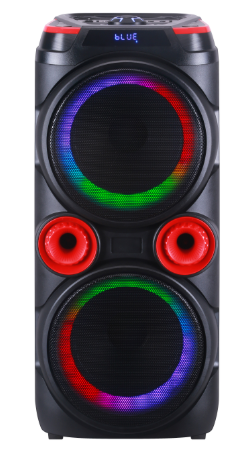
Engagement boosters: Dynamic LED lighting, real-time vocal feedback, and multigenerational song compatibility (kids’ hits to classics)
LED lights that flash along with the beat really boost the vibe and create something close to a real concert feel right at home. When someone sings, the system shows how on pitch they are, which makes practicing fun rather than just drilling techniques for both children and grown-ups. The music collection covers all ages too, starting with simple nursery songs and Disney tunes through to old school Motown hits and today's top tracks, so everyone in the family gets to shine when it matters most to them. What these features do is take away some of the pressure usually attached to performing well alone, replacing it with the simple pleasure of making music together as a group.
Song Library Access and Reliable Connectivity for Long-Term Enjoyment
A good karaoke system should grow right along with the family. Look for platforms that have around 10,000 songs or more, constantly adding new tracks so there's something for everyone from little kids bouncing to their favorite nursery rhymes all the way to teens jamming out their latest playlist hits and even those oldies that grandpa loves to sing along with. Wireless streaming through Wi-Fi or Bluetooth makes it easy for different ages to find what they want without needing any CDs or DVDs lying around. The system needs two ways to connect though - Bluetooth 5.0 or better cuts down on the annoying delays during duets, but having those old school aux jacks or USB ports is still super important when the signal gets spotty. Battery life matters too; at least five hours means no awkward pauses halfway through a song. And don't forget about automatic updates either. These keep everything working smoothly with newer gadgets and music apps over time, which means this investment won't become obsolete after just a few months sitting on the shelf.