
 EN
EN
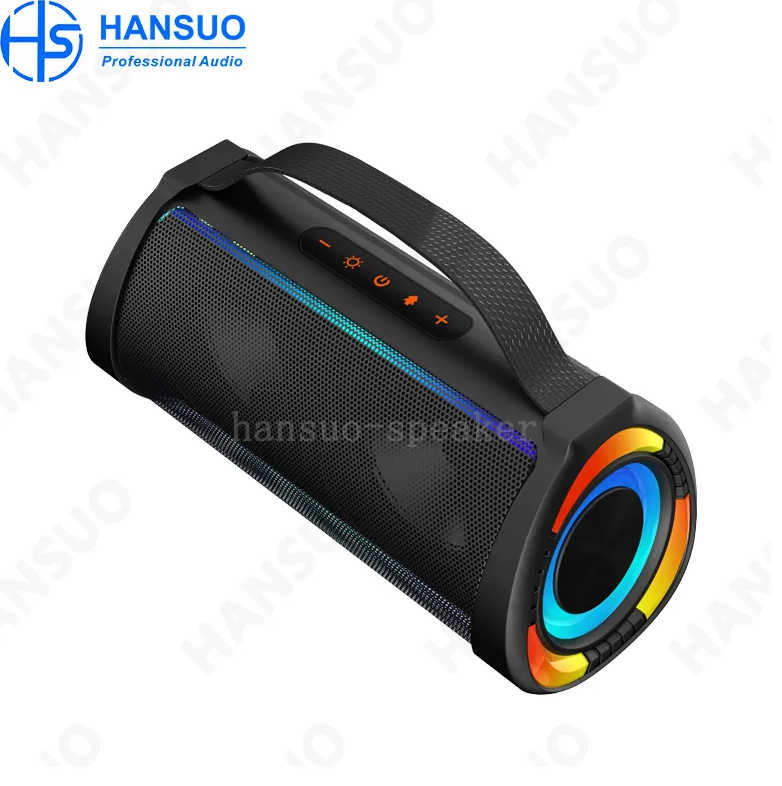
Loudness is a system, not a number on the box
A boombox can claim 80 W and still sound thin in a park. Power ratings describe electrical input, not acoustic output. Real loudness depends on driver sensitivity, cabinet volume, amplifier efficiency, and limiter behavior. A small cabinet with a high power number often uses heavy compression to avoid distortion, which flattens dynamics. Look for sound pressure level at one meter, if published. Even then, conditions matter. A lab rating of 100 dB at 1 m may hit 85 dB outdoors with no walls to reinforce bass. Compare at the same distance with the same track, and check whether sound stays clean near maximum volume.
Driver size, cabinet volume, and the physics of bass
Bass needs air movement and cabinet volume. A 4 inch driver in a small plastic box cannot match a 6.5 inch driver in a larger reinforced enclosure. Passive radiators and ports extend low end, but they add noise and group delay if tuned poorly. For outdoor use, a sealed or well braced cabinet resists dust and moisture better. Driver material matters. Coated paper, polypropylene, and fiber composites handle humidity differently. A boombox with two drivers and a passive radiator can sound bigger than its size, but only within limits. Pushing a small driver for deep bass at high volume usually ends in distortion or thermal protection.
| Selection factor | What to check | Why it matters |
|---|---|---|
| Rated power | continuous RMS, not peak | peak numbers mislead |
| Driver size | 4 in to 8 in typical | bass output depends on area |
| Cabinet volume | liters or internal bracing | small boxes limit low end |
| Battery | Wh, not just mAh | runtime at real volume |
| IP rating | IEC 60529 IPX4 to IP67 | rain, dust, and splashes |
| Weight | kg with battery | portability tradeoff |
| Bluetooth | codec and latency | video sync and range |
Battery runtime, charging, and the weight penalty
Battery claims often assume half volume and a cool room. Outdoors, volume goes up and temperature may drop. Lithium ion cells lose capacity in cold, sometimes 20 to 30 percent at freezing. Watt hours give a better estimate than milliamp hours. Fast charging helps, but a high wattage charger adds weight. A boombox that runs from a USB PD power bank adds flexibility. Bigger battery means longer play time and more weight. For a carry friendly unit, 10 to 20 Wh per hour of claimed play time is a rough planning figure. A claim of 40 hours from a 20 Wh battery likely measures at very low volume.
Weather sealing, dust, and real outdoor abuse
IEC 60529 defines ingress protection ratings. IPX4 handles splashes. IP67 handles temporary immersion and dust. A high rating does not mean survival in salt fog, sunscreen, or a drop onto concrete. Gaskets age, port covers wear, and buttons can let in sand. A boombox for beach or pool use should have covered ports, a rubberized frame, and a rust resistant grille. Salt water is hard on aluminum and some platings. Rinsing with fresh water helps, but only if port covers are closed. No portable speaker is indestructible. A high IP rating buys time, not immunity.
Bluetooth range, latency, and multi speaker behavior
Bluetooth range in open air can reach 30 meters, but walls, bodies, and Wi-Fi interference cut it down. Latency matters for video. Standard SBC codec often adds 150 to 250 ms. Low latency modes reduce delay but may lower audio quality. Pairing two boomboxes for stereo can be convenient, yet some implementations add echo or channel imbalance. Test pairing with the actual phone and app. Firmware updates can fix bugs but may change tuning. A stable connection at 10 meters with clear line of sight is a reasonable outdoor baseline.
A rental fleet case and a practical selection checklist
A 2023 outdoor event rental company in Guangdong added 60 portable boomboxes for beach parties. The first batch had high peak power labels and small batteries. Units failed early because renters ran them at maximum volume, and thermal protection shut them down. The second batch used honest continuous power ratings, larger cabinets, and IPX6 or better sealing. Runtime improved because amplifiers were not clipping constantly. Staff also checked port covers and rinsed units after salt exposure. Before buying, run through this list. 1. Compare continuous power, not peak. 2. Check battery in watt hours. 3. Match IP rating to the real environment. 4. Test Bluetooth latency with video. 5. Feel the weight with battery installed. 6. Listen at high volume for limiter behavior. Hansuo has built audio systems and speakers in Guangzhou for global customers, including waterproof outdoor portables and trolley speakers. That manufacturing background helps buyers get consistent units, not just a good sample.
Table of Contents
- Loudness is a system, not a number on the box
- Driver size, cabinet volume, and the physics of bass
- Battery runtime, charging, and the weight penalty
- Weather sealing, dust, and real outdoor abuse
- Bluetooth range, latency, and multi speaker behavior
- A rental fleet case and a practical selection checklist