
 EN
EN
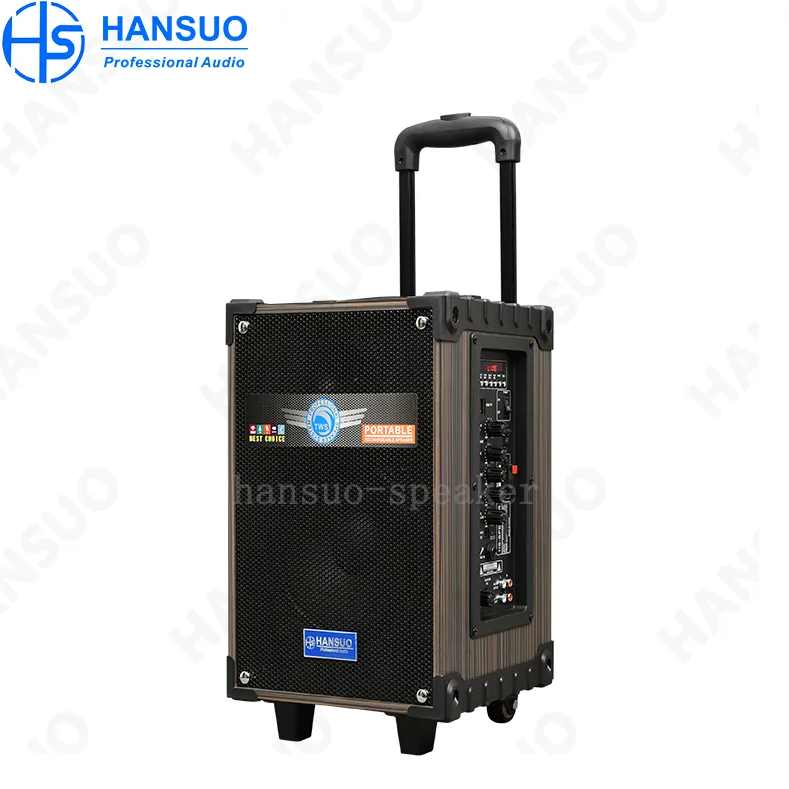
A karaoke party box is not just a louder Bluetooth speaker
A party box for karaoke has to do two jobs at once. It plays music and it amplifies voices. That second job changes everything. A standard Bluetooth speaker is tuned for playback. It may have a bass boost that sounds great for dance tracks but muddies vocals. Karaoke needs midrange clarity, microphone control, and low latency. It also needs enough headroom to keep vocals clean when the room gets loud. A buyer who treats a party box like a bigger portable speaker usually ends up with muddy voices, feedback, or a dead battery halfway through the night.
Microphone inputs and echo control that make or break the session
The microphone path is the first thing to check. Look for at least two mic inputs if duets matter. Each input should have its own volume control, not a shared knob. Echo and reverb should be adjustable, because a tiled room needs less reverb than a carpeted living room. A simple echo knob is fine if it has a usable range. Too much echo makes singers sound distant. Too little makes them sound dry. Some units add vocal presets, which can help beginners. The honest limitation is that built in mics are often weaker than wired or wireless handheld mics. A party box with a proper mic input and a separate wireless receiver gives more room to grow.
Power, battery, and the runtime that survives a full night
Karaoke sessions run longer than casual listening. A party box might play for four to six hours at high volume. Battery claims often assume half volume. Watt hours give a better estimate than milliamp hours. A unit with a 20 Wh battery may not last a full night if vocals and music run together at high output. Look for a battery that can be charged while playing, because a long session plus a dead battery kills the mood. Also check the power supply. A built in lead acid battery is heavy but cheap. Lithium packs are lighter and hold voltage better under load. The tradeoff is cost and cold weather performance.
| Feature | Basic Bluetooth speaker | Karaoke party box |
|---|---|---|
| Mic inputs | none or one shared | two or more, independent volume |
| Echo or reverb | rare | adjustable, sometimes presets |
| Vocal clarity | bass heavy tuning | midrange focused |
| Battery runtime | 8 to 20 hours at low volume | 4 to 10 hours at high volume |
| Latency | 150 to 250 ms typical | low latency modes common |
| Weight | 0.5 to 2 kg | 5 to 20 kg |
| Best use | background music | group singing and events |
Driver size, cabinet tuning, and why vocals need midrange
Karaoke lives in the midrange. A 6.5 inch woofer and a 1 inch tweeter can work, but the crossover point matters. If the woofer handles too much midrange, vocals sound boxy. A dedicated midrange driver or a well tuned two way design keeps voices forward. Cabinet volume also matters. A larger cabinet moves more air and needs less compression at high volume. A small cabinet with a big power rating often uses a limiter that pumps and breathes. That sounds bad on sustained notes. For outdoor use, a sealed or well braced cabinet resists dust and moisture. A ported design can extend bass but may add wind noise at high output.
Connectivity, latency, and pairing with screens or phones
Bluetooth is convenient, but latency matters for karaoke. If the lyrics on a TV screen run ahead of the audio, singers lose the beat. Standard SBC codec often adds 150 to 250 ms. Low latency modes reduce that, but may lower audio quality. Some party boxes include an optical or HDMI ARC input for TVs, which avoids Bluetooth delay entirely. That is a big advantage for home karaoke. For phone based lyrics apps, a wired auxiliary input is still the most reliable. Bluetooth range in open air can reach 30 meters, but walls and bodies cut it down. A stable connection at 10 meters is a reasonable baseline for a backyard party.
A rental case and a practical checklist before buying
A 2023 event rental company in Guangdong added 40 party boxes for outdoor karaoke nights. The first batch looked good on paper. They had high peak power labels and colorful lights. In use, singers complained about delay from the TV screen, and the shared mic volume made duets frustrating. The second batch used independent mic controls, a low latency mode, and a larger cabinet. Rental returns dropped. Staff also learned to check battery health every month, because high volume sessions drained packs faster than expected. Before buying, run through this list. 1. Confirm two independent mic inputs with separate volume. 2. Test echo range with a real voice. 3. Compare battery in watt hours, not milliamp hours. 4. Check latency with a lyric video. 5. Listen for midrange clarity at high volume. 6. Match weight and IP rating to the real venue. IEC 60529 defines ingress protection, and a higher IP rating helps outdoors, but no portable box is indestructible. Hansuo has built audio systems in Guangzhou for global customers, including outdoor portables and trolley speakers. That manufacturing background helps keep mic circuits, battery packs, and cabinet tuning consistent across production runs, which matters when a party box has to survive a full season of karaoke nights.
Table of Contents
- A karaoke party box is not just a louder Bluetooth speaker
- Microphone inputs and echo control that make or break the session
- Power, battery, and the runtime that survives a full night
- Driver size, cabinet tuning, and why vocals need midrange
- Connectivity, latency, and pairing with screens or phones
- A rental case and a practical checklist before buying