
 EN
Start With the Real Job of a Casual Gathering Speaker
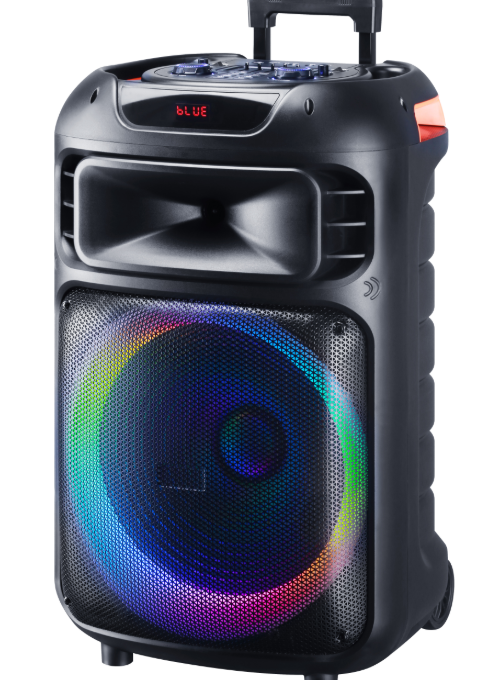
A casual gathering rarely happens in a treated listening room. It happens on a patio, at a campsite, or in a rented hall with hard walls and too many people talking. That context changes the checklist. A plastic speaker for this job needs to survive being carried, bumped, splashed, and left in a hot car, while still sounding decent when conversation pauses. The first question is not how loud it can get but how predictable it is when conditions are less than ideal. Buyers often compare wattage badges, yet enclosure behavior, Bluetooth stability, and battery management decide whether the speaker feels reliable after the first weekend. A useful review starts with the gathering, not the spec sheet.
Enclosure Material and the Tradeoffs Behind a Plastic Speaker
Plastic gets a bad rap when judged as a cheap substitute for wood or aluminum. In portable audio, the material is a system choice. ABS and PC blends allow complex ribs, sealed battery compartments, and molded passive radiator mounts without a long machining cycle. That matters at casual gathering volumes because a stiff, well-braced cabinet reduces unwanted panel resonance. Thin plastic can sound boxy, so wall thickness, internal ribs, and gasket compression deserve more attention than the word plastic alone. A plastic speaker also has to manage thread strength at mounting points, because repeated assembly can strip soft bosses. Metal inserts or molded-in threads are small details with long-term consequences. The table below shows typical ranges from published datasheets and bench checks for small portable cabinets, not a promise for every design.
| Criterion | Plastic ABS/PC | Aluminum | MDF |
|---|---|---|---|
| Enclosure mass for a 1.5 L to 2 L portable | 0.35 kg to 0.65 kg | 0.55 kg to 0.9 kg | 0.7 kg to 1.1 kg |
| Complex internal ribbing | Easy to mold | Requires machining or casting | Moderate |
| Drop behavior | Good with rounded corners and rubber overmold | Can dent | Corners chip |
| Acoustic damping | Needs careful rib design and damping material | Can ring without damping | Naturally damped but heavy |
| Tooling cost at 5,000 units | Moderate | High | Low to moderate |
| Outdoor comfort | Cool to touch, less slippery with texture | Can feel cold and slick | Swells if sealing fails |
The table is a reminder that plastic wins on shape freedom and weight, but only when the mold design and damping strategy are taken seriously. A heavy metal cabinet is not automatically better for a picnic table.
Bluetooth Range, Codecs, and the Stuff That Actually Matters Outdoors
Bluetooth claims are easy to misread. A chipset datasheet may quote line-of-sight range, yet a gathering has bodies, tables, phones in pockets, and maybe a wall between source and speaker. The practical check is antenna placement and how the enclosure affects radio performance. Plastic is friendly to RF compared with metal, which helps when the antenna sits near a non-metallic window or top cap. Codec support matters, but SBC and AAC still cover most phones. aptX or LC3 can help latency and efficiency, though the benefit depends on the source device. Bluetooth SIG's market updates continue to show audio streaming as a major Bluetooth use case, so interference in crowded spaces is normal. A stable connection at 10 m to 15 m through light obstacles is a more useful target than a headline range number. Pairing behavior also deserves a test, especially reconnection after a phone leaves the room.
Battery, Heat, and the Reality of Small Plastic Cabinets
Small sealed cabinets trap heat. During a retrofit for an outdoor event rental company in southern China, a pilot batch of plastic-bodied speakers passed a bench test but charged unevenly after being left in direct sun during setup. The black enclosure absorbed heat, the charging IC sat close to the amplifier, and the thermal path relied on a small pad that was easy to misplace. Adding a reflective top label, moving the thermistor, and tightening the charger's temperature foldback solved the complaint. Battery runtime claims mean little without charge temperature and load conditions. For casual gatherings, a speaker that charges safely in a warm car or under a tent is more valuable than a larger milliamp-hour number that only works on a lab bench.
Weather Protection, Drop Resistance, and Honest Limits
IP ratings are often overread. IEC 60529 defines the IPX digits, and IPX4 means protection against splashing water, not a license to float in a pool. A plastic speaker with a tight gasket can handle rain spray and spills, yet the same unit may fail if the port door is left open or the seal picks up sand. Drop resistance is similar. Rounded corners, rubber feet, and a recessed driver grille do more for real survival than a thick wall alone. Buyers should look for drainage paths, covered ports, and a gasket that can be inspected without dismantling the whole cabinet. Honest limits matter: a splash-rated plastic speaker is not a dive camera, and a lightweight cabinet is not a hammer. The best design communicates those limits clearly instead of implying invincibility.
Listening Tests, Build Checks, and a Practical Buying Checklist
A proper audition goes beyond one pop track. 1. Play a voice recording to check midrange congestion. 2. Use a bass-heavy track at moderate volume and listen for port chuffing or rattles. 3. Walk around the room and note whether the sound collapses off-axis. 4. Pair, unpair, and reconnect several times. 5. Check button feel, port covers, and whether the cabinet flexes near the passive radiator. These checks expose the details that separate a durable plastic speaker from a disposable one. Hansuo's manufacturing and quality control experience in audio systems supports this kind of practical detail work, from mold and gasket choices to supply chain coordination. The right pick for casual gatherings is not the loudest badge on the shelf. It is the speaker that behaves predictably when the party moves outside.
Table of Contents
- Start With the Real Job of a Casual Gathering Speaker
- Enclosure Material and the Tradeoffs Behind a Plastic Speaker
- Bluetooth Range, Codecs, and the Stuff That Actually Matters Outdoors
- Battery, Heat, and the Reality of Small Plastic Cabinets
- Weather Protection, Drop Resistance, and Honest Limits
- Listening Tests, Build Checks, and a Practical Buying Checklist