
 EN
EN
Why modern gatherings need a dedicated audio anchor
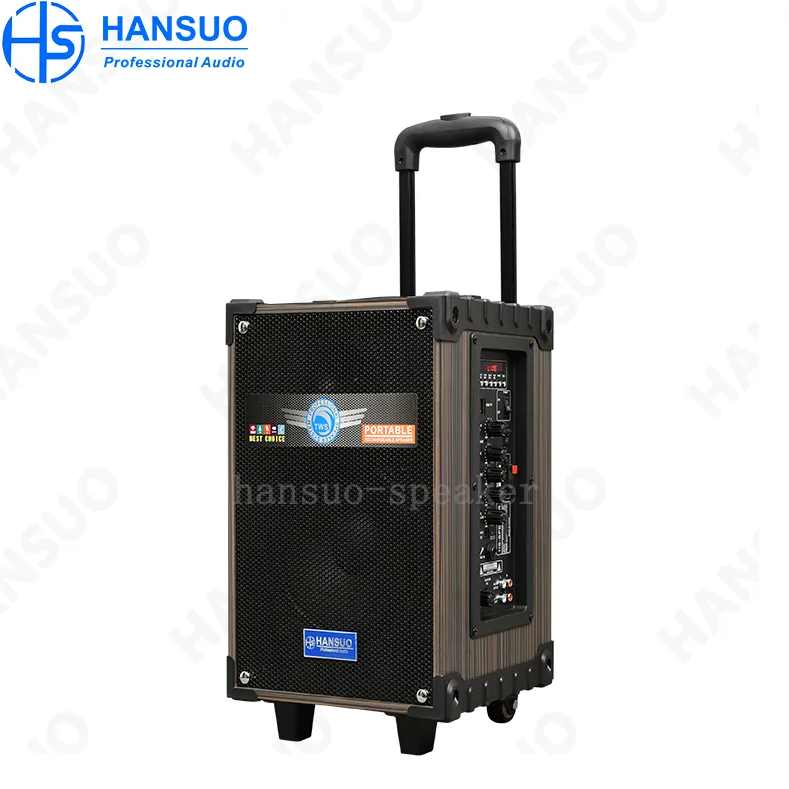
A Bluetooth party box has become the default sound system for events without a fixed installation. Backyard birthdays, pop up markets, tailgates, and community dances all share the same problem. Phone speakers run out of headroom, and small portable speakers sound thin once people spread out. A party box solves that by combining a larger cabinet, a more powerful amplifier, and a battery that can run for hours. It also adds practical features that casual speakers ignore, such as microphone inputs, sturdy handles, and wheels on larger models. The result is one unit that can carry music, announcements, and a bit of karaoke without a rack of separate gear.
Sound pressure that carries a room without turning harsh
Loudness is not a single number. Peak power labels are easy to inflate. Continuous power, driver sensitivity, cabinet volume, and limiter design decide how a system sounds after an hour. A party box with a 10 inch woofer and a compression driver can cover a patio, but a poorly tuned box will sound harsh at high volume. Midrange clarity matters more than deep bass for speeches and sing alongs. Buyers should compare at the same distance with the same track, and listen for distortion when the volume reaches the top third. The table below shows typical differences between a regular Bluetooth speaker and a party box.
| Factor | Regular Bluetooth speaker | Bluetooth party box |
|---|---|---|
| Continuous output | 5 to 30 W | 40 to 300 W |
| Driver size | 1.5 to 3 in | 6.5 to 15 in |
| Battery capacity | 5 to 30 Wh | 80 to 500 Wh |
| Weight | 0.5 to 2 kg | 5 to 30 kg |
| Coverage | small room or picnic | patio, hall, or yard |
| Microphone input | rare | one or two, often independent |
| Transport | pocket or small bag | handle, wheels, or both |
Battery and power planning for a full event
Runtime claims often assume half volume. Real gatherings run louder and longer. Watt hours give a better estimate than milliamp hours. A 200 Wh battery may deliver four to six hours at high output, while a 30 Wh pack may quit before the cake is cut. Cold weather reduces lithium capacity, so winter events need extra margin. Charging while playing helps, but the power supply must be sized for the load. A party box that can run from a USB PD bank or a 12 V source adds flexibility for camping and tailgates. More battery means more kilograms.
Connectivity, latency, and control across devices
Bluetooth is convenient, but latency matters when lyrics or video are involved. The Bluetooth SIG defines codecs and profiles, and standard SBC often adds 150 to 250 ms of delay. Low latency modes reduce that gap, but may lower audio quality. A wired auxiliary input or a USB drive avoids the problem entirely. For events with a TV screen or projector, an optical or HDMI ARC input is a real advantage. Range in open air can reach 30 meters, but walls, bodies, and WiFi traffic cut it down. A stable connection at 10 meters is a reasonable baseline. Dual pairing can link two boxes for stereo, but some implementations add echo or channel imbalance, so testing with the actual phone and app is important.
Weather, transport, and durability under real use
IEC 60529 defines ingress protection ratings that are often shortened to IP codes. IPX4 handles splashes. IP67 handles dust and temporary immersion. A high rating does not make a speaker immune to salt fog, sunscreen, or a drop onto concrete. Port covers wear out, gaskets age, and wheels can crack if the frame is weak. For beach or pool use, covered ports and a rust resistant grille matter. For rental fleets, a reinforced cabinet and replaceable battery pack extend service life.
A rental case and what to verify before buying
In 2023, an outdoor food festival rental company in eastern China added 50 Bluetooth party boxes to its inventory. The first batch had impressive peak power labels and small batteries. During a three day event, several units entered thermal protection because renters ran them at maximum volume for hours. The second batch used honest continuous power ratings, larger battery packs, and IPX5 sealing. Returns dropped, and staff could swap battery packs between events. Before buying, verify a few points. 1. Compare continuous power, not peak. 2. Check battery in watt hours and confirm charging while playing. 3. Test microphone inputs and echo controls with a real voice. 4. Check Bluetooth latency with a lyric video. 5. Match the IP rating and weight to the venue. 6. Confirm that handles, wheels, and grille can survive transport. Hansuo builds audio systems and speakers in Guangzhou for global customers, including outdoor portables and trolley speakers. That manufacturing background helps keep amplifier tuning, battery packs, and cabinet assembly consistent across production runs, which matters when a party box has to work event after event.